Special & Accessory Clouds

Not all clouds fit neatly into the ten main genera. Some appear as distinctive features or as by-products of atmospheric processes.

Together, these forms provide visual evidence of atmospheric motion, turbulence, or human activity, and while less common than the main genera, they are important signals for weather observers and forecasters.

  • Arcus Clouds

    Arcus Clouds

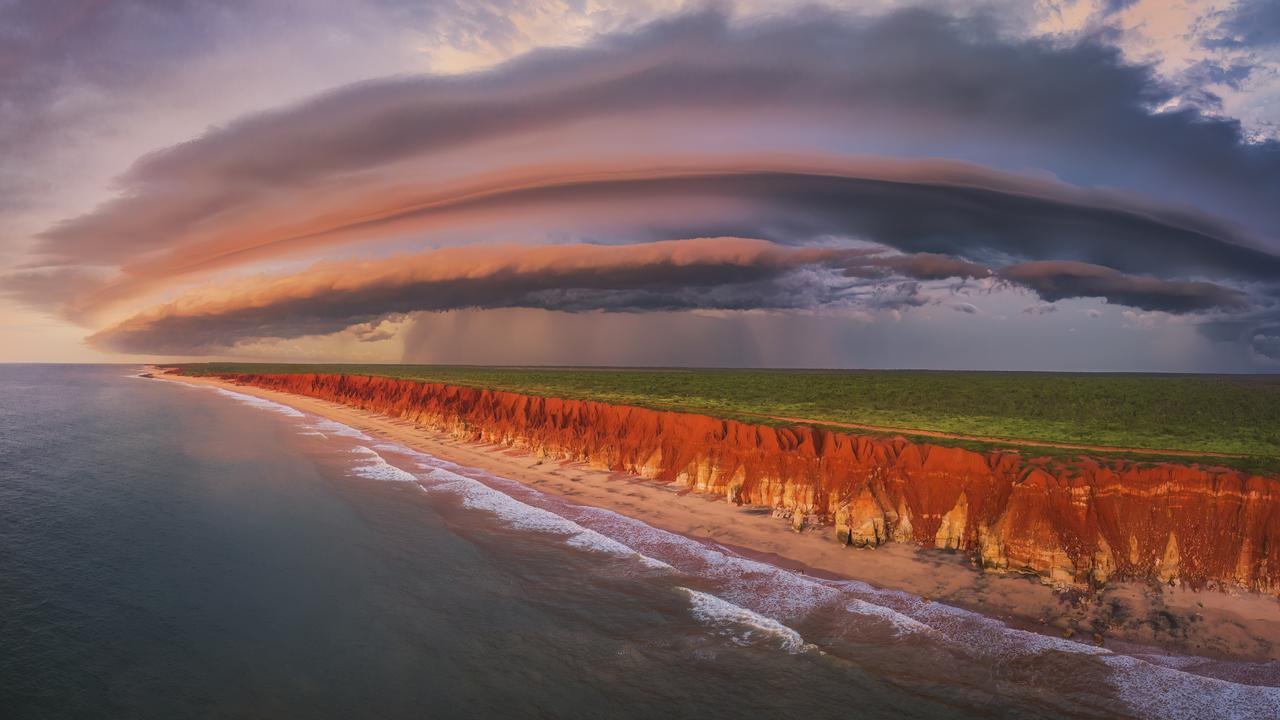
    Arcus clouds are dramatic, low-level horizontal formations that appear along the leading edges of thunderstorms or gust fronts. They occur in two principal forms: shelf clouds and roll clouds.

    Read More

  • Asperitas Clouds

    Asperitas Clouds

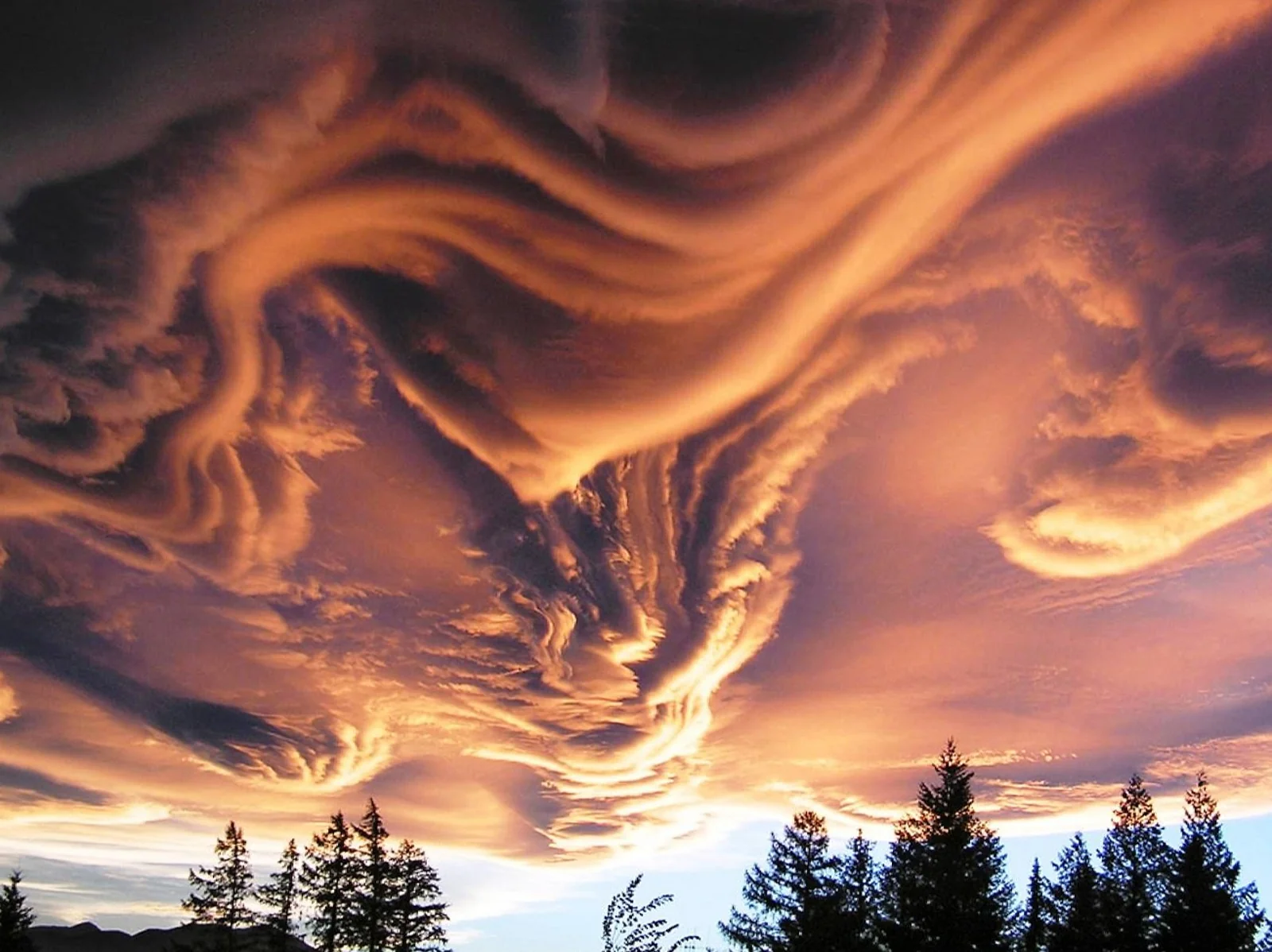
    Asperatus clouds, also known as Undulatus Asperatus, are one of the most visually dramatic and recently recognised cloud formations. Their bases resemble a dark, rolling ocean seen from beneath, giving the sky a sense of movement and texture.

    Read More

  • Cauda Clouds

    Cauda Clouds

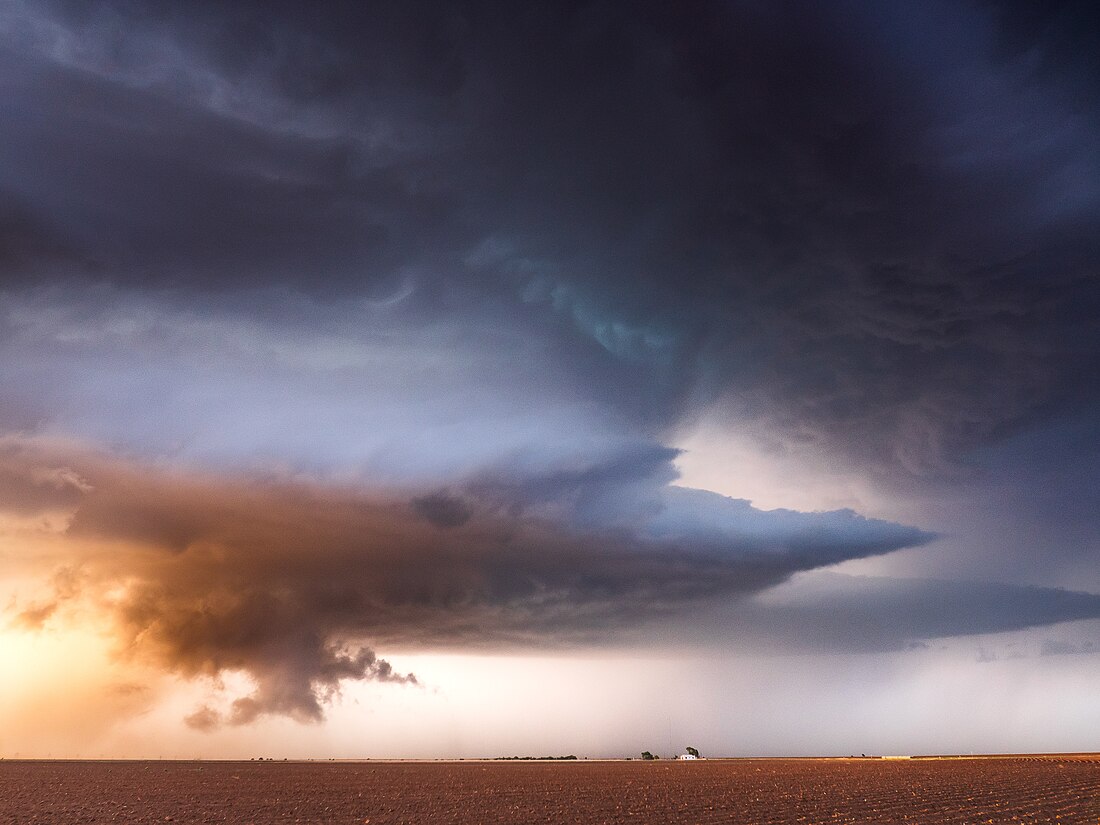
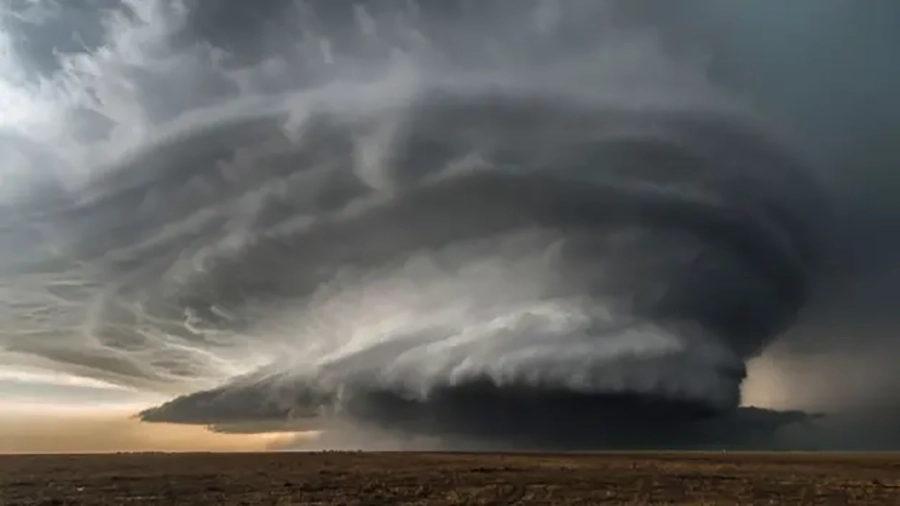
    Cauda clouds are a distinctive feature associated with severe thunderstorms, particularly supercells. These low-level, horizontal, tail-shaped clouds extend from the main precipitation region of a supercell cumulonimbus cloud to the murus (wall cloud).

    Read More

  • Cirrus Homogenitus Clouds (Contrails)

    Cirrus Homogenitus Clouds (Contrails)

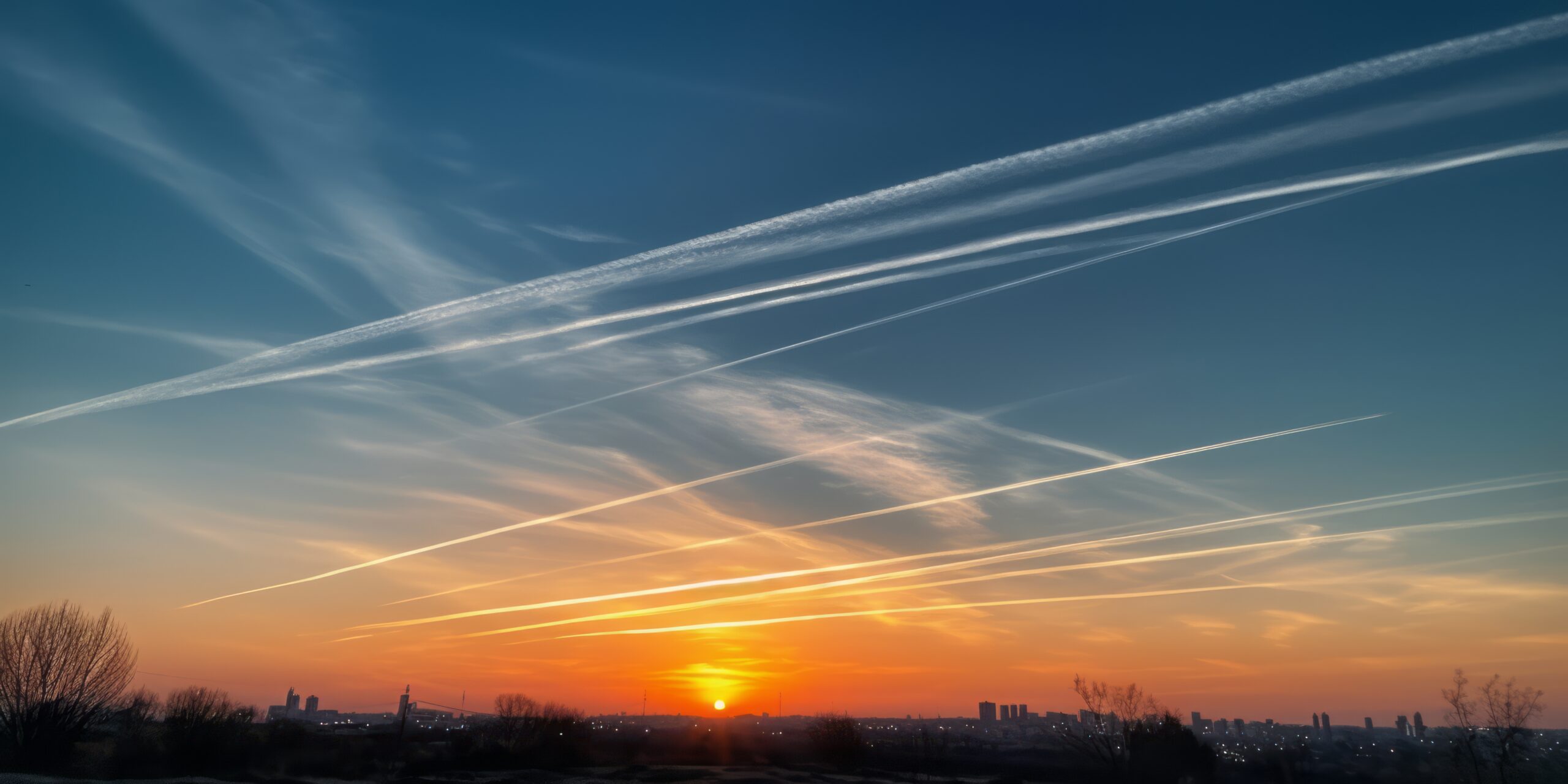
    Cirrus homogenitus, more commonly known as contrails, are artificial ice clouds formed by aircraft exhaust in the upper troposphere and lower stratosphere. These streaks of vapour trail behind jet engines and resemble thin, fibrous cirrus clouds.

    Read More

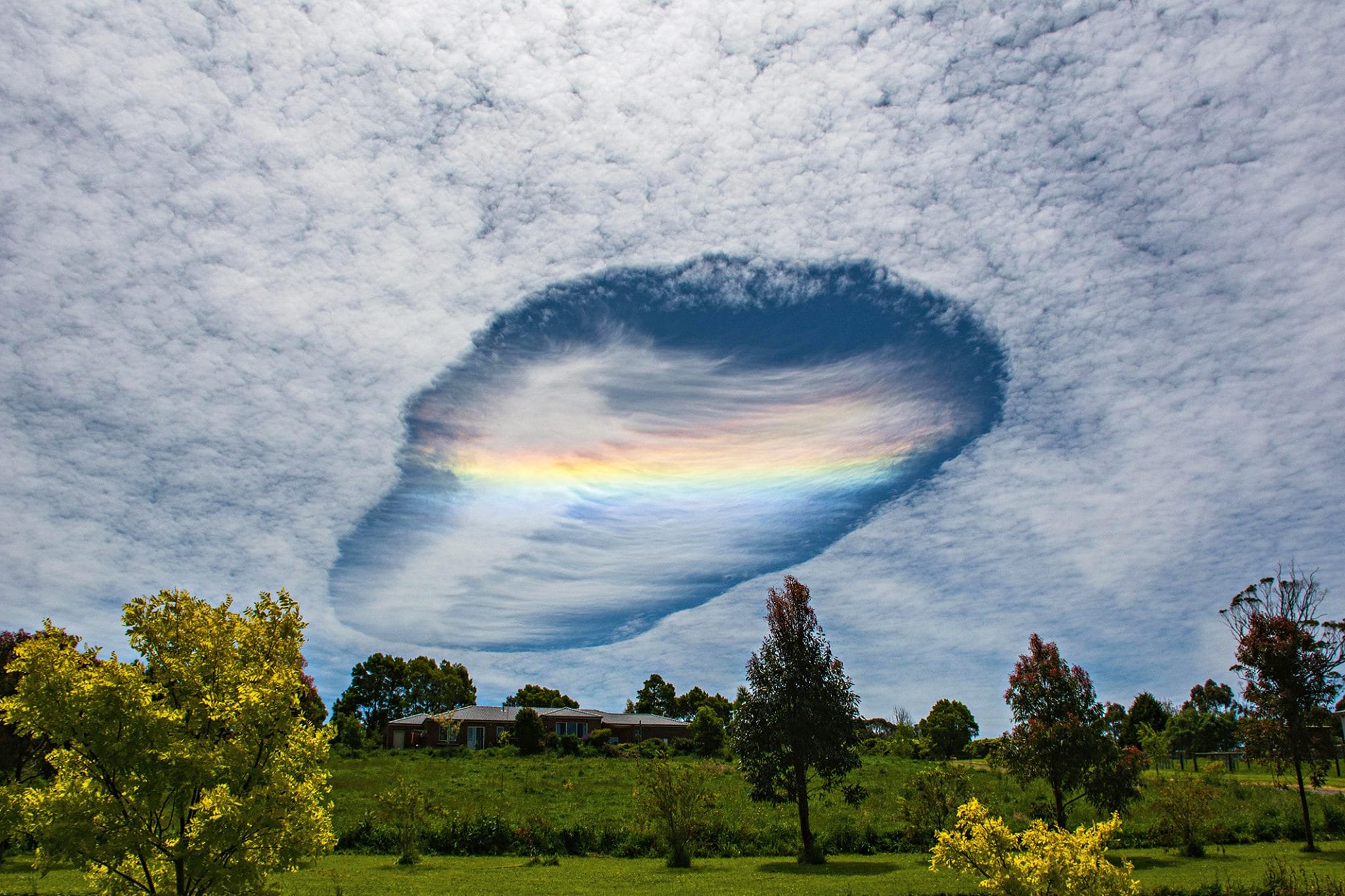
  • Fallstreak or Hole-Punch Clouds

    Fallstreak or Hole-Punch Clouds

    Fallstreak or hole-punch clouds are circular or elliptical gaps in mid-level cloud layers caused by aircraft penetration through supercooled cloud decks.

    Read More

  • Fluctus Clouds (Kelvin-Helmholtz Clouds)
    Fluctus Clouds (Kelvin-Helmholtz Clouds)

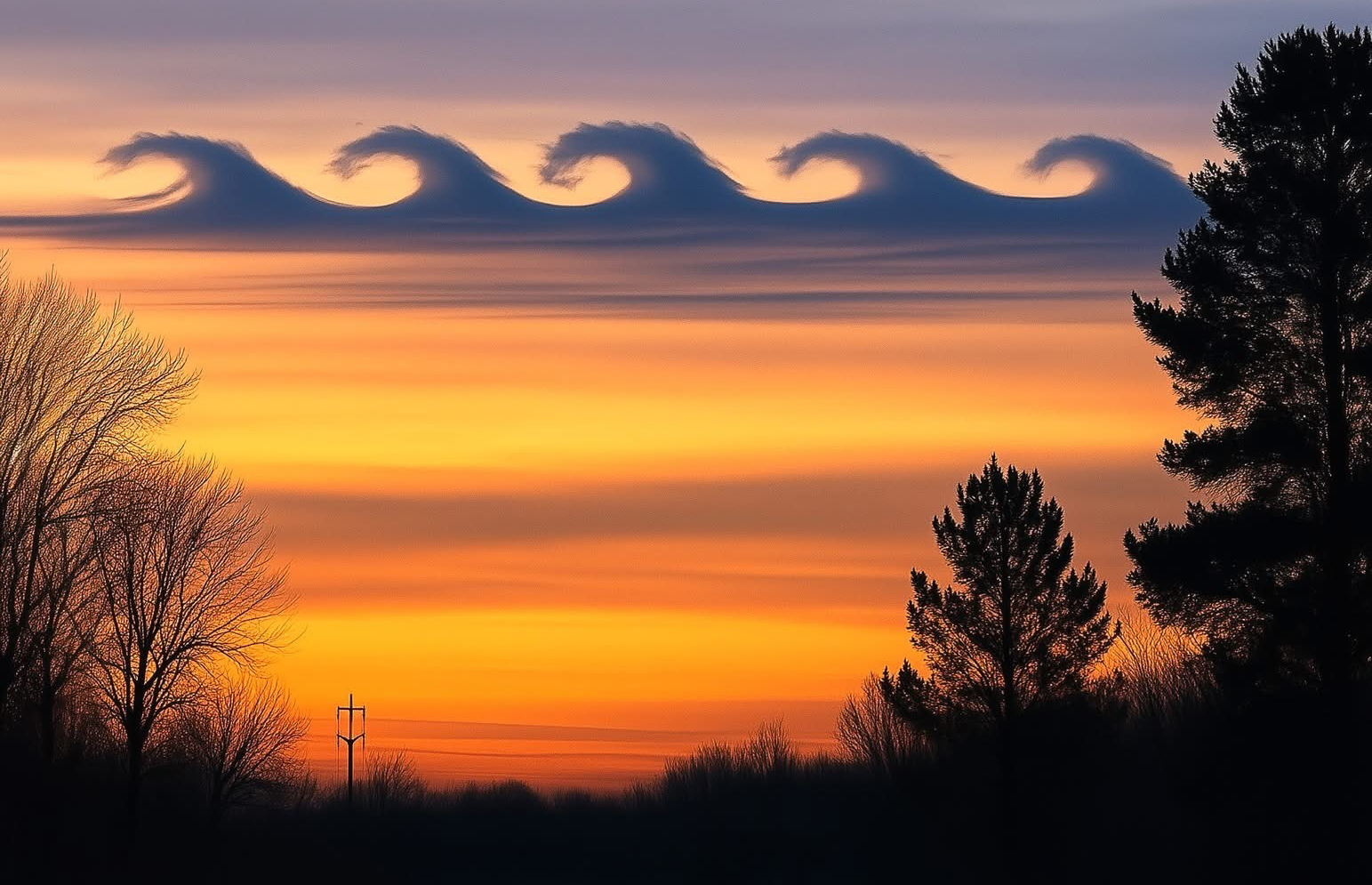
    Fluctus clouds, commonly known as Kelvin-Helmholtz clouds, are visually striking cloud formations that resemble breaking ocean waves suspended in the atmosphere. These clouds are a type of instability cloud, formed when layers of air move at different speeds or densities, creating a rolling, wave-like pattern. They are usually small, transient, and found at low to

    Read More

  • Fractus Clouds

    Fractus Clouds

    Fractus clouds are small, irregular fragments that break away from larger cloud masses. They often form beneath precipitating clouds or along gust fronts, moving rapidly and constantly changing shape.

    Read More

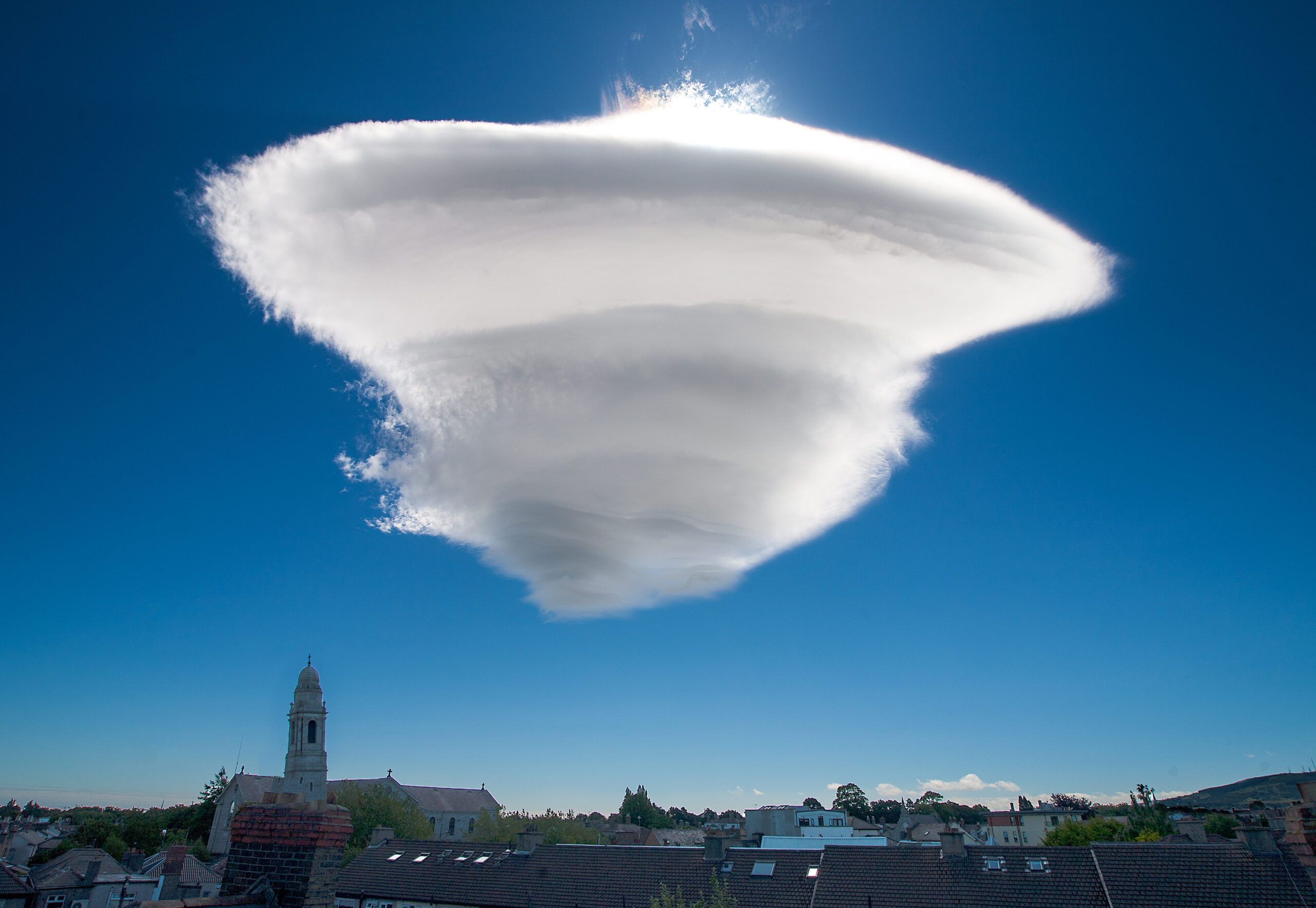
  • Lenticular Clouds

    Lenticular Clouds

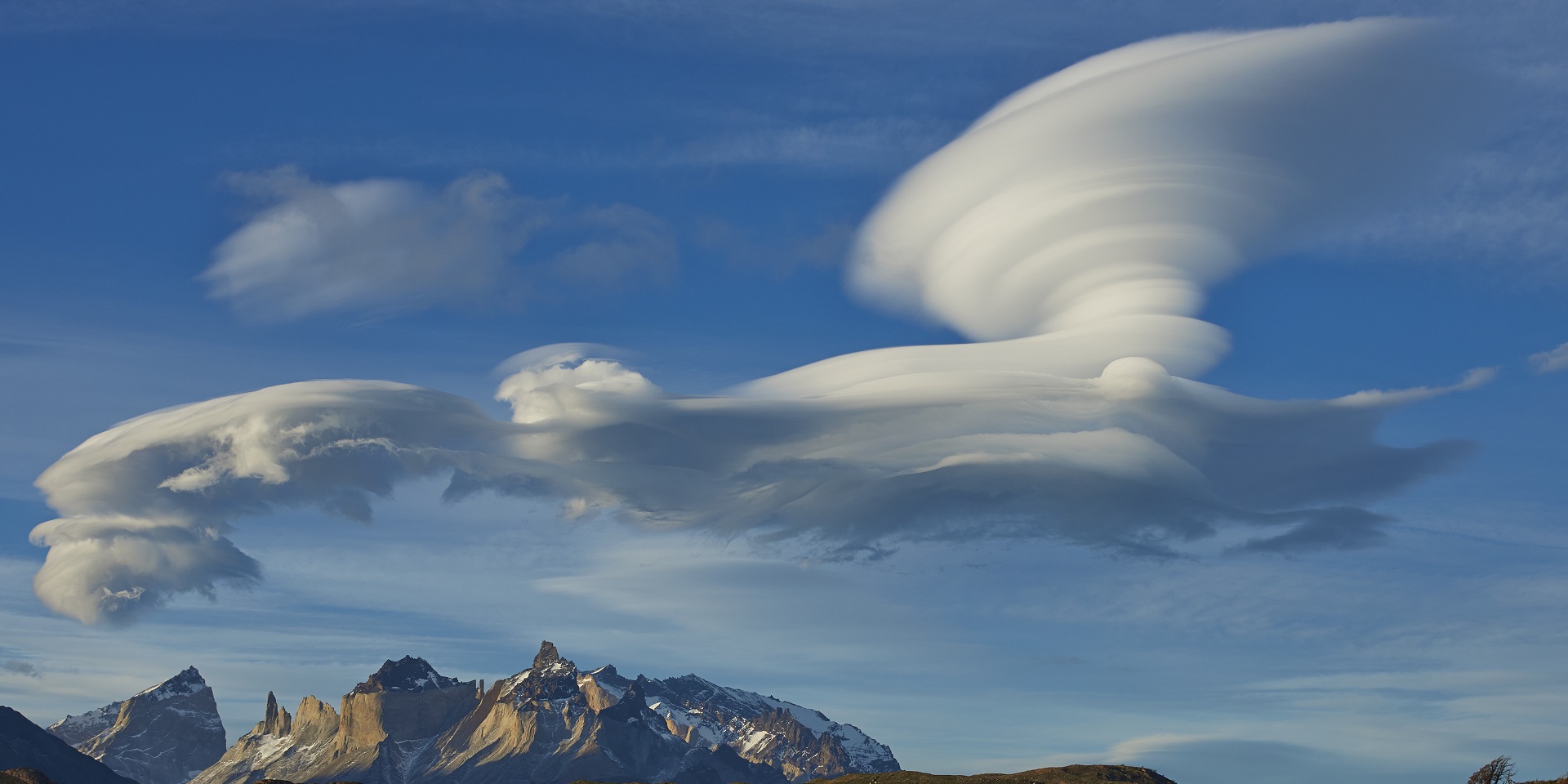
    Lenticular clouds are smooth, lens-shaped formations that develop when stable, moist air flows over mountain ranges or obstacles. They are classified within the altocumulus or cirrocumulus genera

    Read More

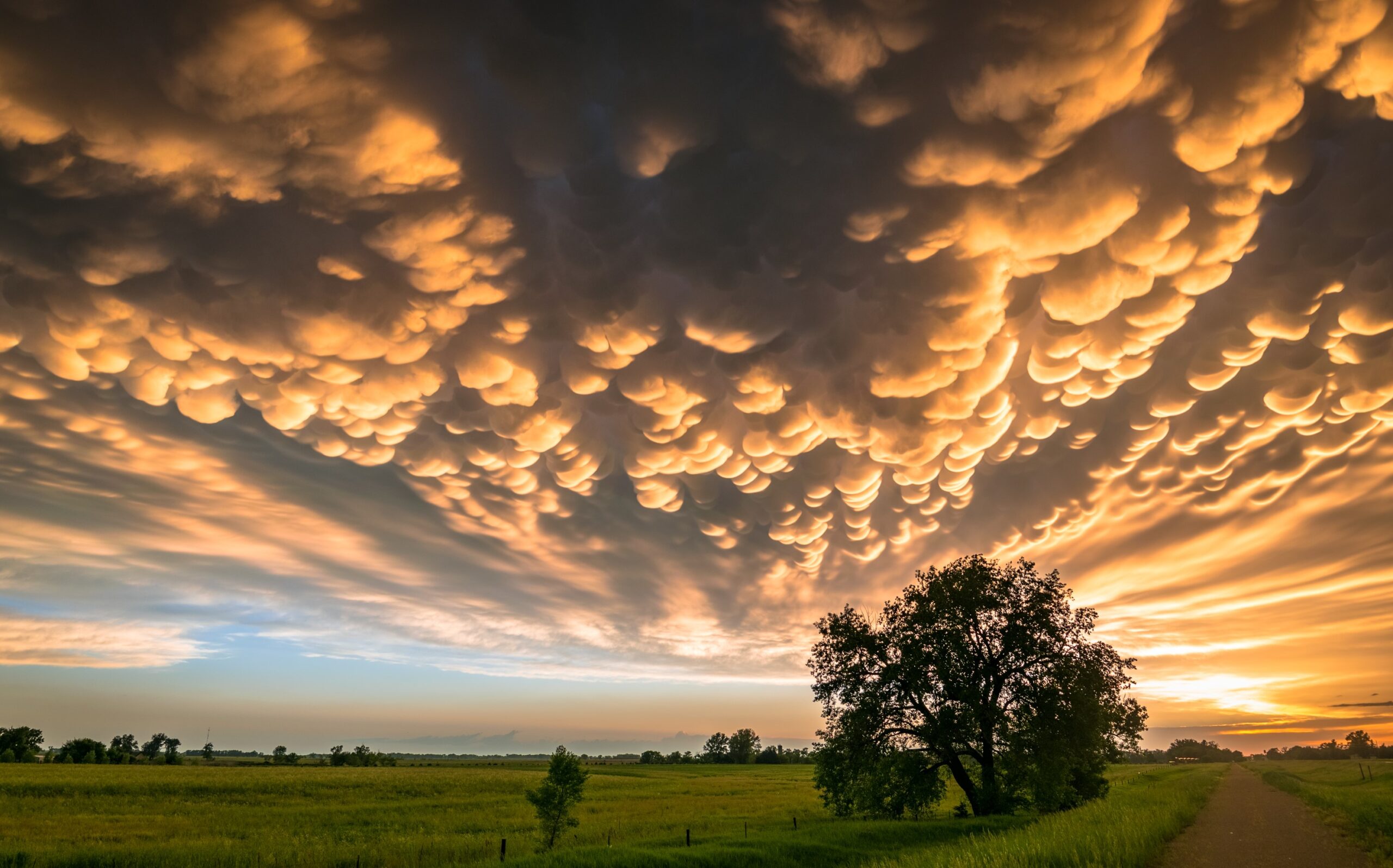
  • Mammatus Clouds

    Mammatus Clouds

    Mammatus clouds are pouch-like protrusions hanging beneath the anvil of cumulonimbus clouds or, more rarely, other cloud types. They mark areas of intense downdraft and are striking indicators of turbulent atmospheric processes.

    Read More

  • Murus Clouds

    Murus Clouds

    Murus clouds, commonly referred to as wall clouds, are dramatic, vertically oriented cloud features that form beneath the base of a severe thunderstorm, usually a supercell cumulonimbus cloud. They are characterised by a concentrated, lowering base that can rotate and serve as a precursor to tornado formation.

    Read More

  • Nacreous Clouds: Polar Stratospheric Iridescence
    Nacreous Clouds: Polar Stratospheric Iridescence

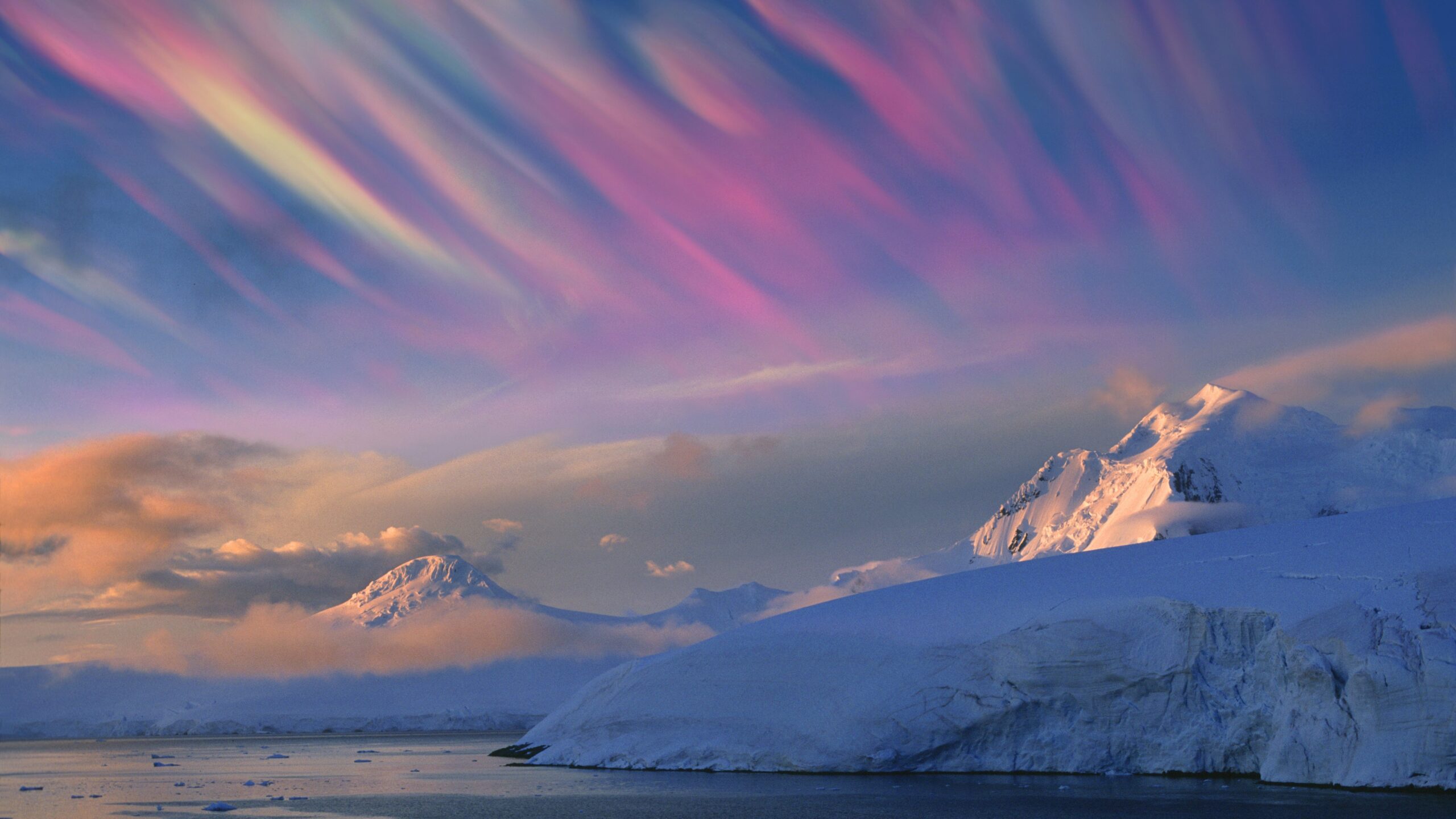
    Nacreous clouds, also known as polar stratospheric clouds (PSCs), are high-altitude clouds that form in the stratosphere, typically between 15,000 and 25,000 metres above the surface. They are most commonly observed in polar regions during winter months

    Read More

  • Noctilucent Clouds

    Noctilucent Clouds

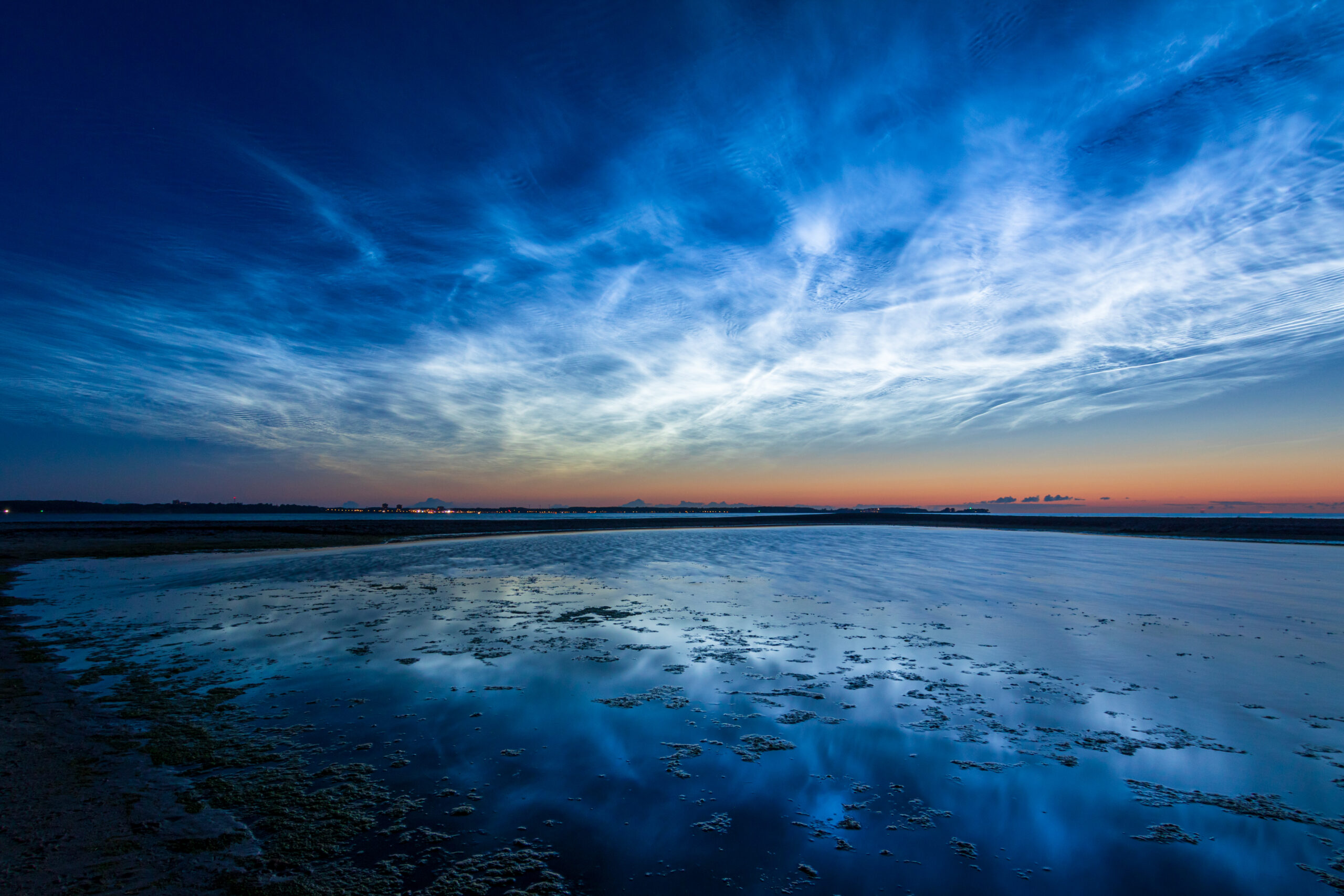
    Noctilucent clouds, also called night-shining clouds, are the highest clouds in the Earth’s atmosphere, forming in the mesosphere at altitudes of approximately 76 to 85 kilometres. They are primarily composed of ice crystals.

    Read More

  • Pileus Clouds

    Pileus Clouds

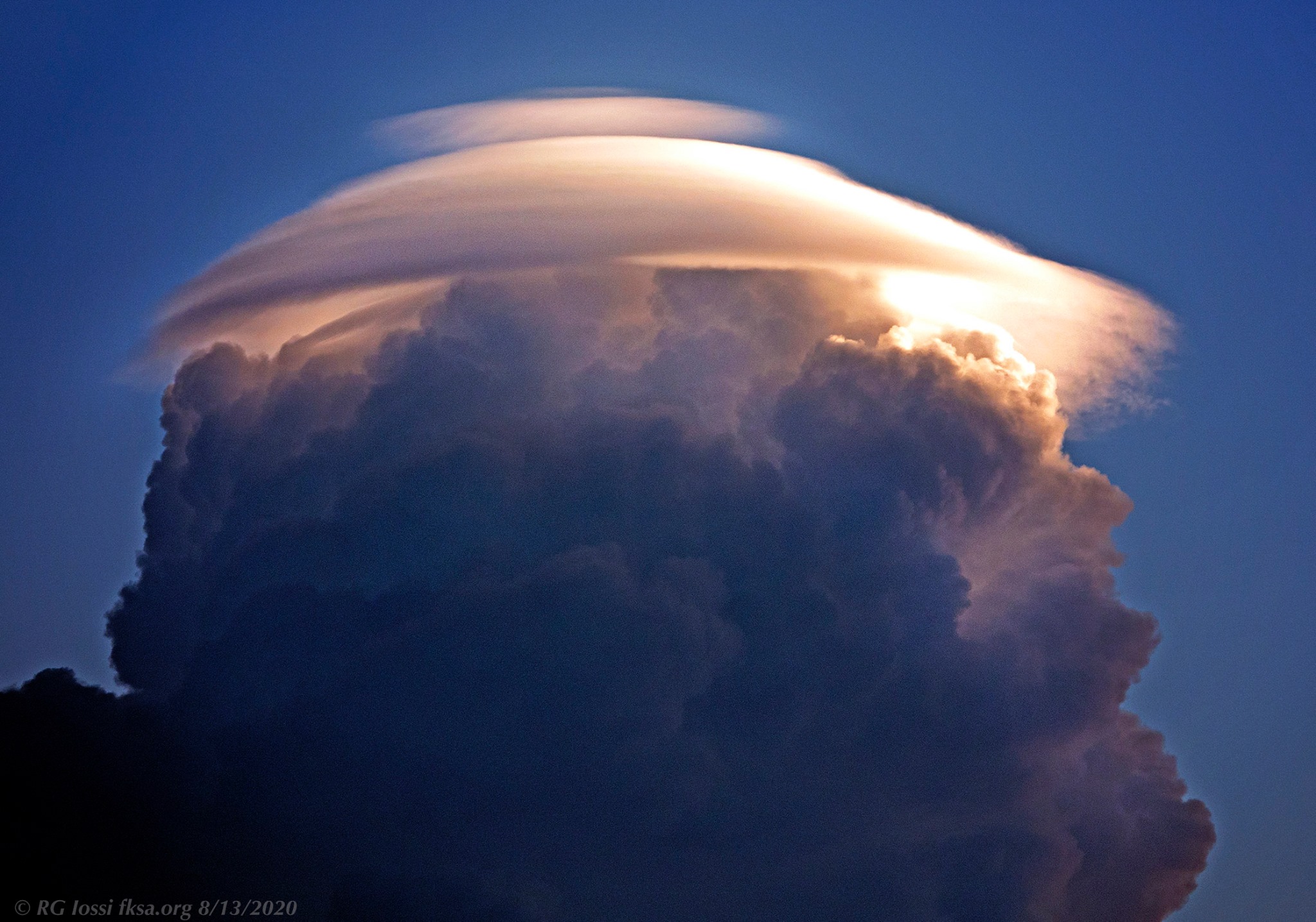
    Pileus clouds, often called cap clouds, form as thin, smooth layers over the tops of rapidly growing cumulus or cumulonimbus towers. They signify vigorous updrafts and rapid vertical development in convective systems.

    Read More

  • Undulatus Clouds

    Undulatus Clouds

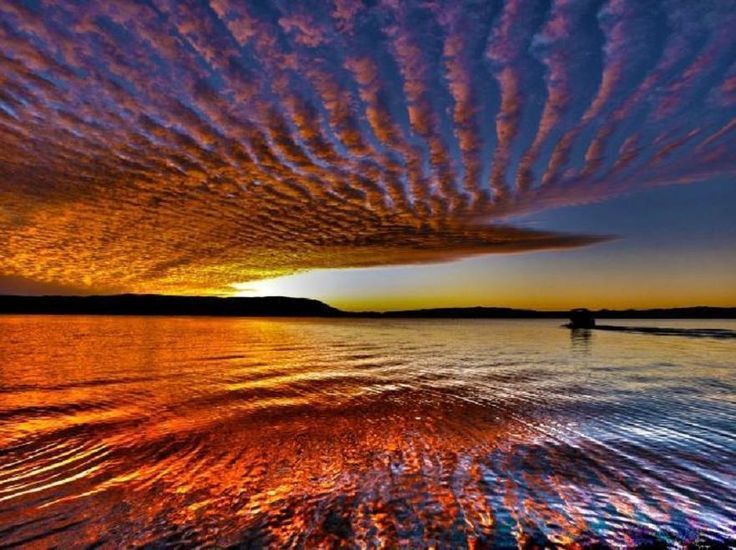
    Undulatus clouds are a recognised cloud variety characterised by wave-like patterns across the sky. The term undulatus is Latin for “wavy,” reflecting the repeating bands or ripples these clouds display. They are observed within multiple cloud genera, including Altocumulus, Stratocumulus, and Cirrocumulus.

    Read More

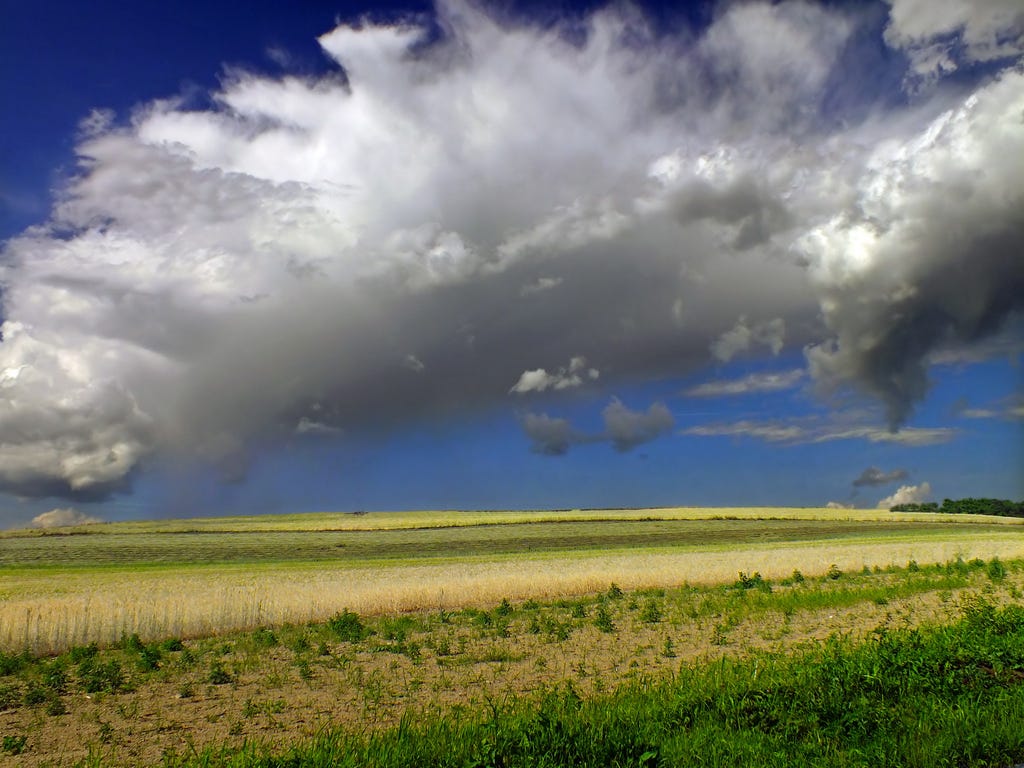
  • Virga Clouds

    Virga Clouds

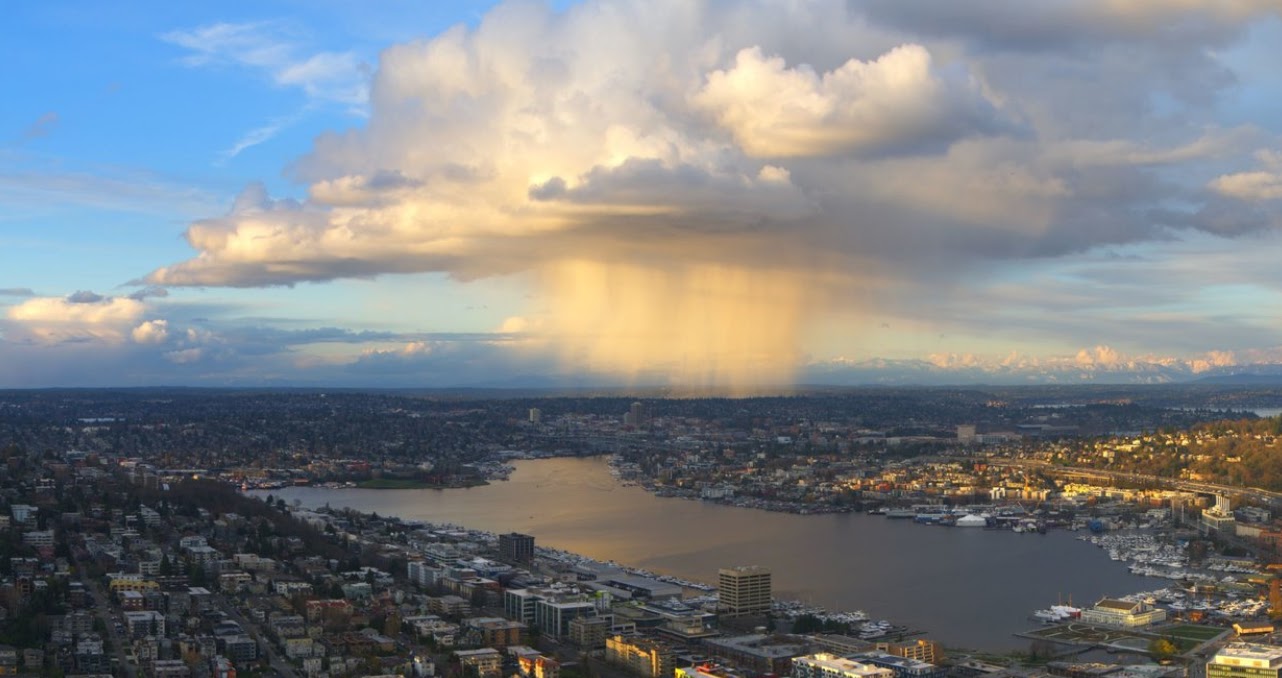
    Virga clouds describe the visual effect of precipitation falling from a cloud but evaporating or sublimating before reaching the surface. The result is a pattern of vertical or slanting streaks extending beneath the parent cloud.

    Read More

  • Volutus Clouds

    Volutus Clouds

    Volutus clouds, commonly known as roll clouds, are a type of Arcus Cloud. They are rare, low-level cloud formations characterized by their distinctive tube-like shape and horizontal orientation. They typically appear detached from other cloud systems and exhibit a rolling motion along a horizontal axis.


    Read More

Tony S.
Tony is based in Australia and focuses on how false conspiracy theories spread and harm society, with an emphasis on clear facts and critical thinking.

Related

The Blue Roof Hoax and Why Space Lasers Did’t Spark the Maui Fires

The Maui fires triggered claims of space lasers, colour-coded roofs and covert land grabs. Scientific evidence, fire behaviour and verified imagery show how these myths arose, why they conflict with physics, and how conspiracy narratives emerge after catastrophic events.

Cloud Seeding is Not Chemtrails

Cloud seeding and so-called “chemtrails” are fundamentally different, though often confused in conspiracy circles. Cloud seeding is a small-scale, scientifically documented technique in which aircraft introduce minute amounts of silver iodide into existing clouds to encourage rainfall; it does not involve spraying chemicals into clear skies, nor does it leave visible white streaks. Chemtrails.

Nacreous Clouds: Polar Stratospheric Iridescence

Nacreous clouds, also known as polar stratospheric clouds (PSCs), are high-altitude clouds that form in the stratosphere, typically between 15,000 and 25,000 metres above the surface. They are most commonly observed in polar regions during winter months

Volutus Clouds

Volutus clouds, commonly known as roll clouds, are a type of Arcus Cloud. They are rare, low-level cloud formations characterized by their distinctive tube-like shape and horizontal orientation. They typically appear detached from other cloud systems and exhibit a rolling motion along a horizontal axis.
Chemicals Added to Jet Fuel

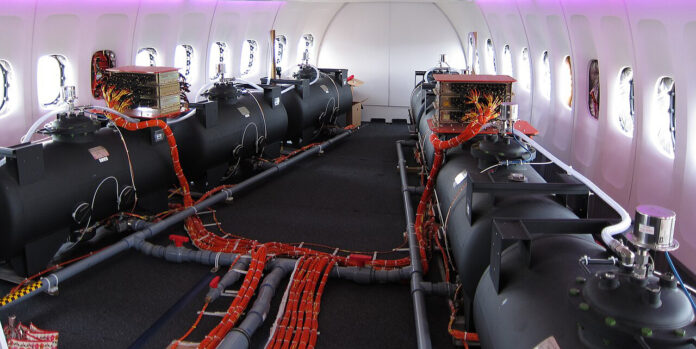
Adding chemicals to jet fuel to produce “chemtrails” would be impossible from an engineering and chemical standpoint. Modern jet engines operate at extremely high pressures and combustion temperatures exceeding 1,500 °C, which would destroy complex chemicals long before they left the exhaust. Chemicals put in aviation fuel would also cause severe damage to engine components, leading to catastrophic failure.

Iridescent Contrails: I Can See the Chemicals Mixing

Incandescent contrails are a type of contrail that form not from engine exhaust, but from rapid pressure drops around an aircraft’s wings which cause water vapor in the atmosphere to condense and freeze. When lit by the sun, these wake contrails can appear unusually bright or glowing like a rainbow. Their origin is purely aerodynamic and optical: no chemicals are sprayed, and the effect arises from ice crystals interacting with sunlight.

Featured

Counting the Cost of a Nationwide Chemtrail Programme

What would it actually take to run a nationwide US “chemtrail” operation? Our analysis reveals the staggering logistics — 165 aircraft, thousands of workers, and billions of dollars each year. The numbers tell their own story.

Why Contrails Can Linger and Spread

Contrails can linger and spread because they are essentially man-made cirrus clouds formed from ice crystals at high altitude. A cloud is made of water vapour, just like a contrail. Therefore if a cloud can linger, so can a contrail. When an aircraft’s hot exhaust mixes with cold, humid air, the resulting condensation freezes, creating thin white trails.

Cloud Seeding: You can’t Just Make Rain

It is impossible to manufacture rain, which depends on water vapour in the atmosphere. This is supplied by heat and evaporation from the Earth’s surface. Only when moist air cools and condenses into clouds is there potential for rain. Techniques such as cloud seeding cannot create this water; they can only encourage raindrops to form in clouds that are already primed to produce rain.

Why Humans Cannot Engineer Cyclones

Cyclones, hurricanes and typhoons are among the most powerful natural forces on Earth. Each one releases more energy in a few days than humanity consumes in years. Yet online theories claim that human technology, such as HAARP or directed electromagnetic fields (EMF), could somehow create or steer these vast systems.

The Logistics of Secrecy: The Impossible Scale of a Chemtrail Programme

This article examines the chemtrail conspiracy through physics, engineering, and economics. It shows that a nationwide spraying programme would require hundreds of aircraft, thousands of staff, and billions in funding—leaving clear evidence. The science of contrails fully explains the phenomenon without invoking any secret aerosol operation.

The chemtrail conspiracy would collapse within a few years

Physicist David Grimes’s 2016 mathematical model shows that large conspiracies such as Chemtrails inevitably unravel through leaks. His analysis demonstrates that a secret global spraying programme involving thousands of people over decades is statistically implausible.

Popular Categories