Fractus Clouds

Overview of Fractus Clouds

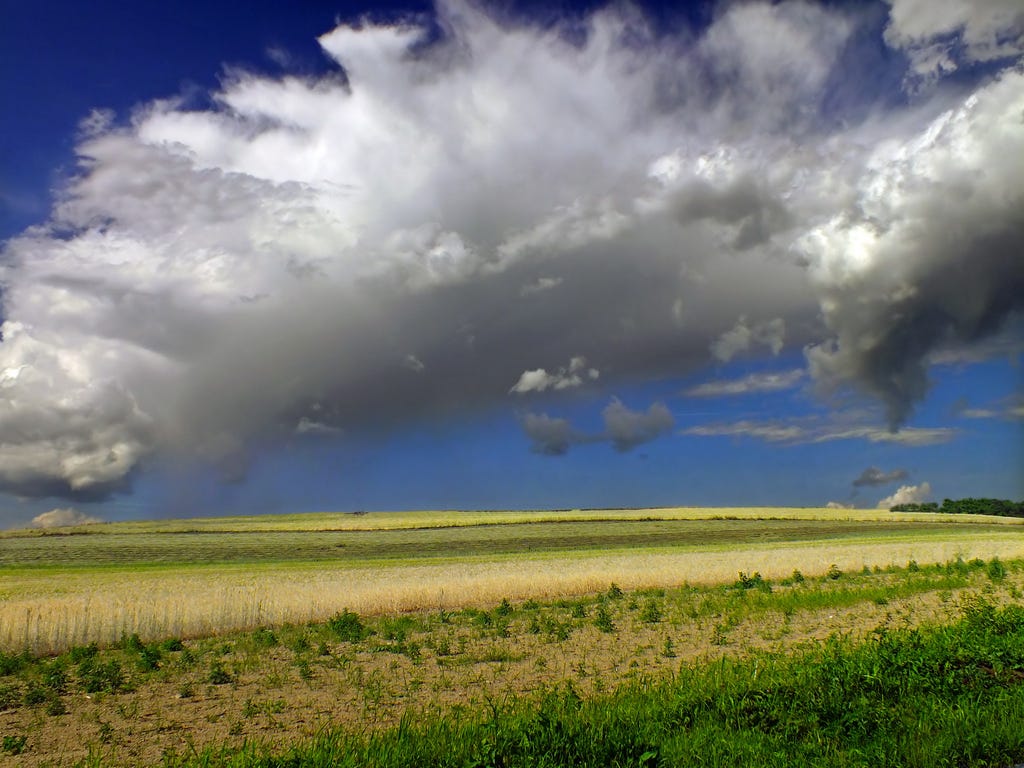
Fractus clouds are small, ragged fragments that form beneath or along the edges of larger cloud bases such as cumulus or stratus.

Commonly called scud clouds, they appear tattered and ever-changing, shaped by turbulent air currents and fluctuating humidity.

These wispy remnants form when rising moist air meets cooler pockets, causing condensation in uneven patches.

Their fleeting, shredded look reflects the unstable conditions within the lower atmosphere, where wind shear and evaporation continually break them apart and rebuild them.

Details

Height: Bases from 500 to 8,000 feet (150–2,500 metres), depending on type.
Look: Shredded, ragged pieces drifting beneath larger clouds.
Name meaning: From Latin fractus, meaning “broken” or “fragmented.”
Rain: Usually none, though often accompany showers.

Types of Fractus Clouds

The two main types are cumulus fractus, which are taller and lighter, and stratus fractus, which are flatter and darker.

Cumulus Fractus

Cumulus fractus are the more buoyant and upright of the two types. They often form beneath developing cumulus clouds, showing bright white or light grey tones as sunlight filters through their uneven structure.

These fragments mark areas of active convection, where warm air is still rising but lacks the strength to create full cumulus towers.

Cumulus fractus often serve as visual indicators of atmospheric instability and can merge into larger cumulus clouds when updrafts strengthen.
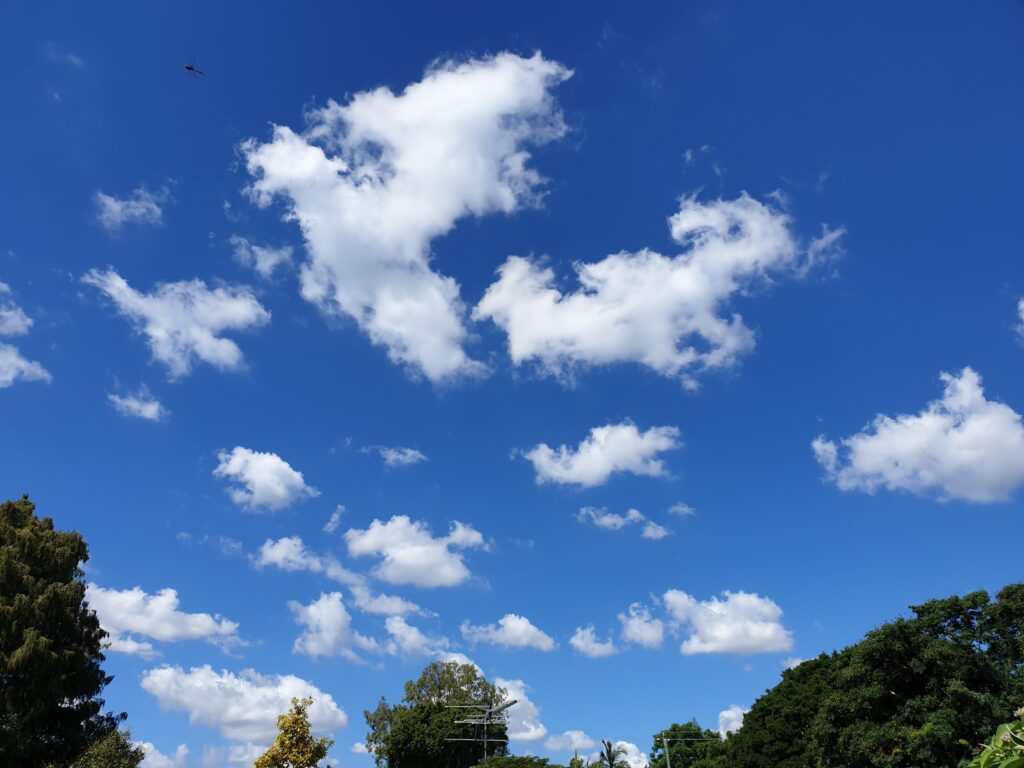
Cumulous Fractus Clouds

Stratus Fractus

Stratus fractus are flatter, darker, and tend to form beneath layered cloud decks such as stratus or nimbostratus.

They appear as low, wind-torn shreds drifting quickly across the sky, often following passing rain showers or during the dissipation of a storm.

Unlike the more vertical cumulus fractus, stratus fractus signify stable but moist air conditions near the surface. Their dull grey tones and horizontal form often give the sky a gloomy, unsettled look, and they may combine with other low-level clouds to create widespread, featureless overcast layers.
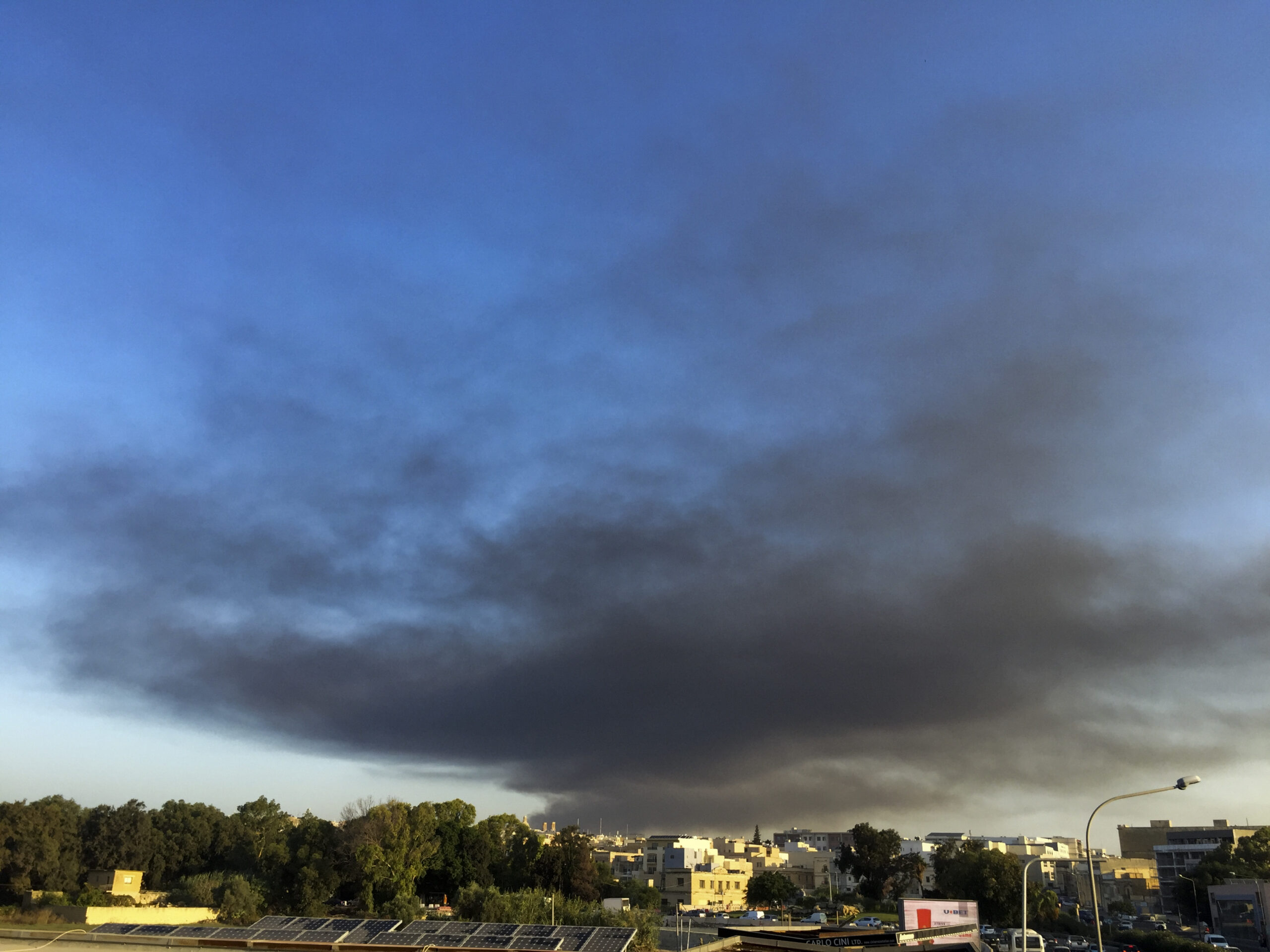
Stratus Fractus Clouds

What Do Fractus Clouds Look Like

Fractus clouds look like tatters of vapour, constantly forming and dissolving. Their edges are diffuse, and they can appear dark grey when viewed against brighter backgrounds.

In mountainous terrain or stormy conditions, fractus clouds cling to ridges or scud rapidly beneath rain clouds.

A History of Fractus Clouds

Fractus forms were among those described by Luke Howard in the early 1800s under Nimbus and Cumulus fractus.

They were formally recognised as a supplementary feature in the International Cloud Atlas to describe fragments detached from their parent clouds.

Further Information

Fractus clouds develop in turbulent, moist air where condensation and evaporation occur rapidly. They can indicate gusty conditions and variable humidity.

Two main types exist: Cumulus fractus, associated with fair-weather convection, and Stratus fractus, linked to precipitation or frontal systems.

Observing their motion helps meteorologists assess low-level wind direction and gust front position.

Though ephemeral, fractus clouds serve as visible tracers of atmospheric turbulence and boundary-layer processes.


Tony S.
Tony is based in Australia and focuses on how false conspiracy theories spread and harm society, with an emphasis on clear facts and critical thinking.

Related

Lenticular Clouds

Lenticular clouds are smooth, lens-shaped formations that develop when stable, moist air flows over mountain ranges or obstacles. They are classified within the altocumulus or cirrocumulus genera

Understanding and Predicting Persistent Contrail Formation

Persistent contrails form only when aircraft exhaust encounters air that is both cold enough for condensation and supersaturated with respect to ice. Understanding temperature thresholds, humidity profiles and upper tropospheric dynamics allows accurate prediction of when contrails will persist, spread and evolve into cirrus like layers.

10 Main Cloud Types

he ten major cloud types are divided into high-level, mid-level, low-level, and clouds with vertical development, reflecting their formation altitude and structure. Each type exhibits distinctive physical and visual characteristics and provides insight into the atmospheric processes at work.

What are Chemtrails

Chemtrails refers to a widely circulated conspiracy theory claiming that the white streaks left behind by high-altitude aircraft are actually chemicals deliberately sprayed into the atmosphere for purposes such as weather manipulation, population control, or geoengineering. There is no credible evidence supporting this claim.

The Blue Roof Hoax and Why Space Lasers Did’t Spark the Maui Fires

The Maui fires triggered claims of space lasers, colour-coded roofs and covert land grabs. Scientific evidence, fire behaviour and verified imagery show how these myths arose, why they conflict with physics, and how conspiracy narratives emerge after catastrophic events.

Noctilucent Clouds

Noctilucent clouds, also called night-shining clouds, are the highest clouds in the Earth’s atmosphere, forming in the mesosphere at altitudes of approximately 76 to 85 kilometres. They are primarily composed of ice crystals.

Featured

Counting the Cost of a Nationwide Chemtrail Programme

What would it actually take to run a nationwide US “chemtrail” operation? Our analysis reveals the staggering logistics — 165 aircraft, thousands of workers, and billions of dollars each year. The numbers tell their own story.

Why Contrails Can Linger and Spread

Contrails can linger and spread because they are essentially man-made cirrus clouds formed from ice crystals at high altitude. A cloud is made of water vapour, just like a contrail. Therefore if a cloud can linger, so can a contrail. When an aircraft’s hot exhaust mixes with cold, humid air, the resulting condensation freezes, creating thin white trails.

Cloud Seeding: You can’t Just Make Rain

It is impossible to manufacture rain, which depends on water vapour in the atmosphere. This is supplied by heat and evaporation from the Earth’s surface. Only when moist air cools and condenses into clouds is there potential for rain. Techniques such as cloud seeding cannot create this water; they can only encourage raindrops to form in clouds that are already primed to produce rain.

Why Humans Cannot Engineer Cyclones

Cyclones, hurricanes and typhoons are among the most powerful natural forces on Earth. Each one releases more energy in a few days than humanity consumes in years. Yet online theories claim that human technology, such as HAARP or directed electromagnetic fields (EMF), could somehow create or steer these vast systems.

The Logistics of Secrecy: The Impossible Scale of a Chemtrail Programme

This article examines the chemtrail conspiracy through physics, engineering, and economics. It shows that a nationwide spraying programme would require hundreds of aircraft, thousands of staff, and billions in funding—leaving clear evidence. The science of contrails fully explains the phenomenon without invoking any secret aerosol operation.

The chemtrail conspiracy would collapse within a few years

Physicist David Grimes’s 2016 mathematical model shows that large conspiracies such as Chemtrails inevitably unravel through leaks. His analysis demonstrates that a secret global spraying programme involving thousands of people over decades is statistically implausible.

Popular Categories