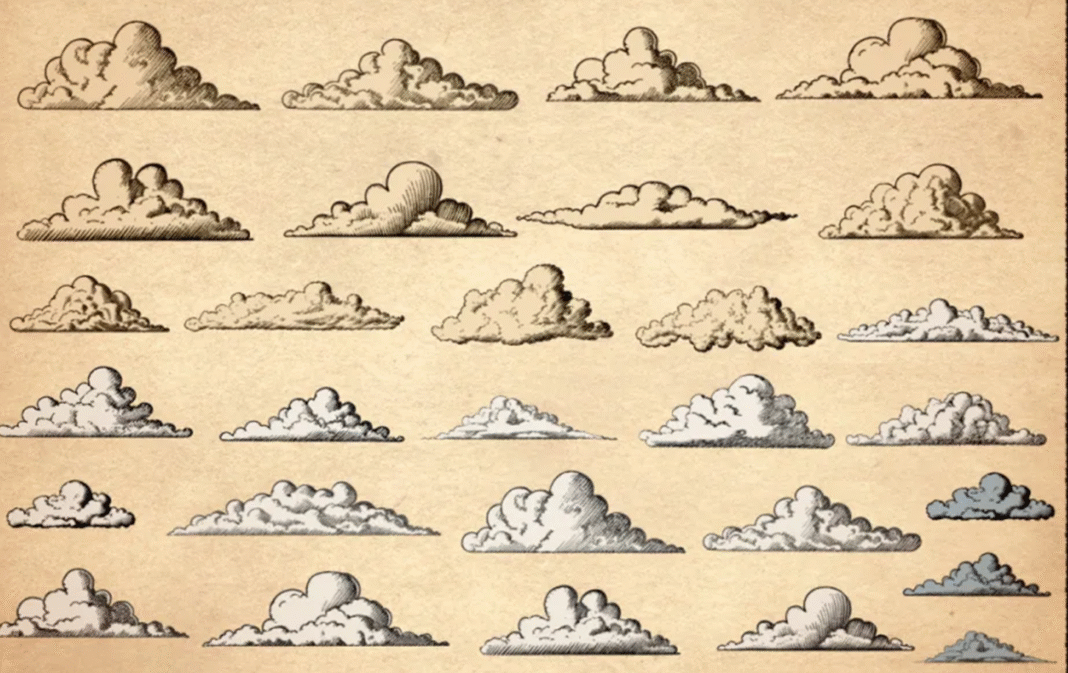

Clouds have long been a subject of scientific study due to their critical role in weather, climate, and the hydrological cycle.
Accurate classification provides meteorologists with a framework to interpret atmospheric processes and to predict weather patterns.
The World Meteorological Organization (WMO) maintains the internationally recognised system of cloud classification, which organises clouds hierarchically into genera, species, varieties, and supplementary features.
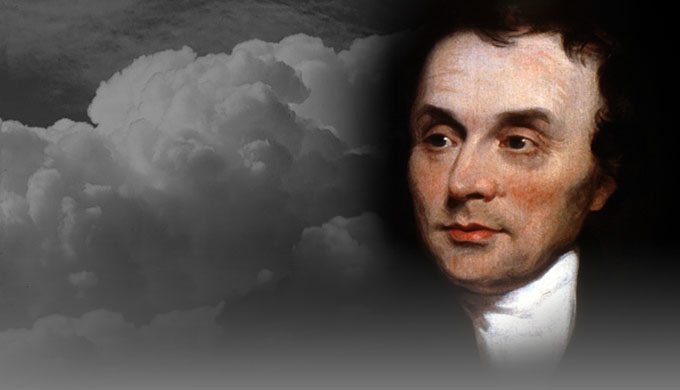
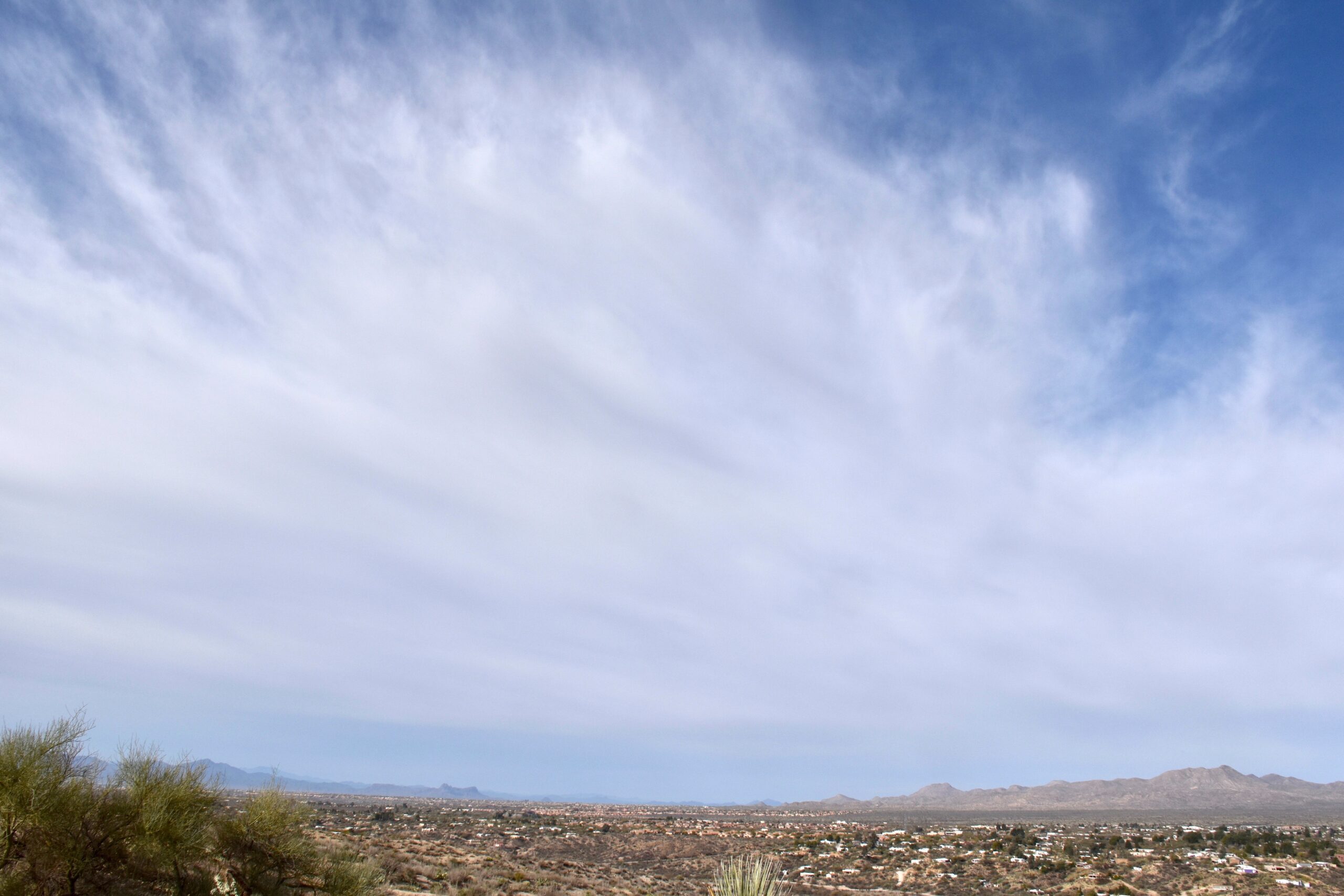
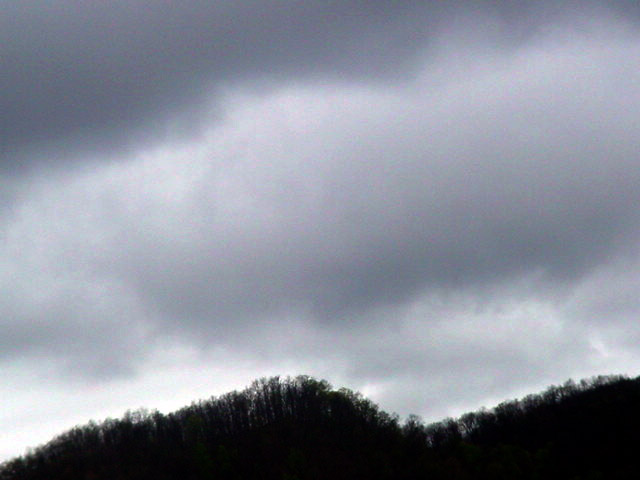
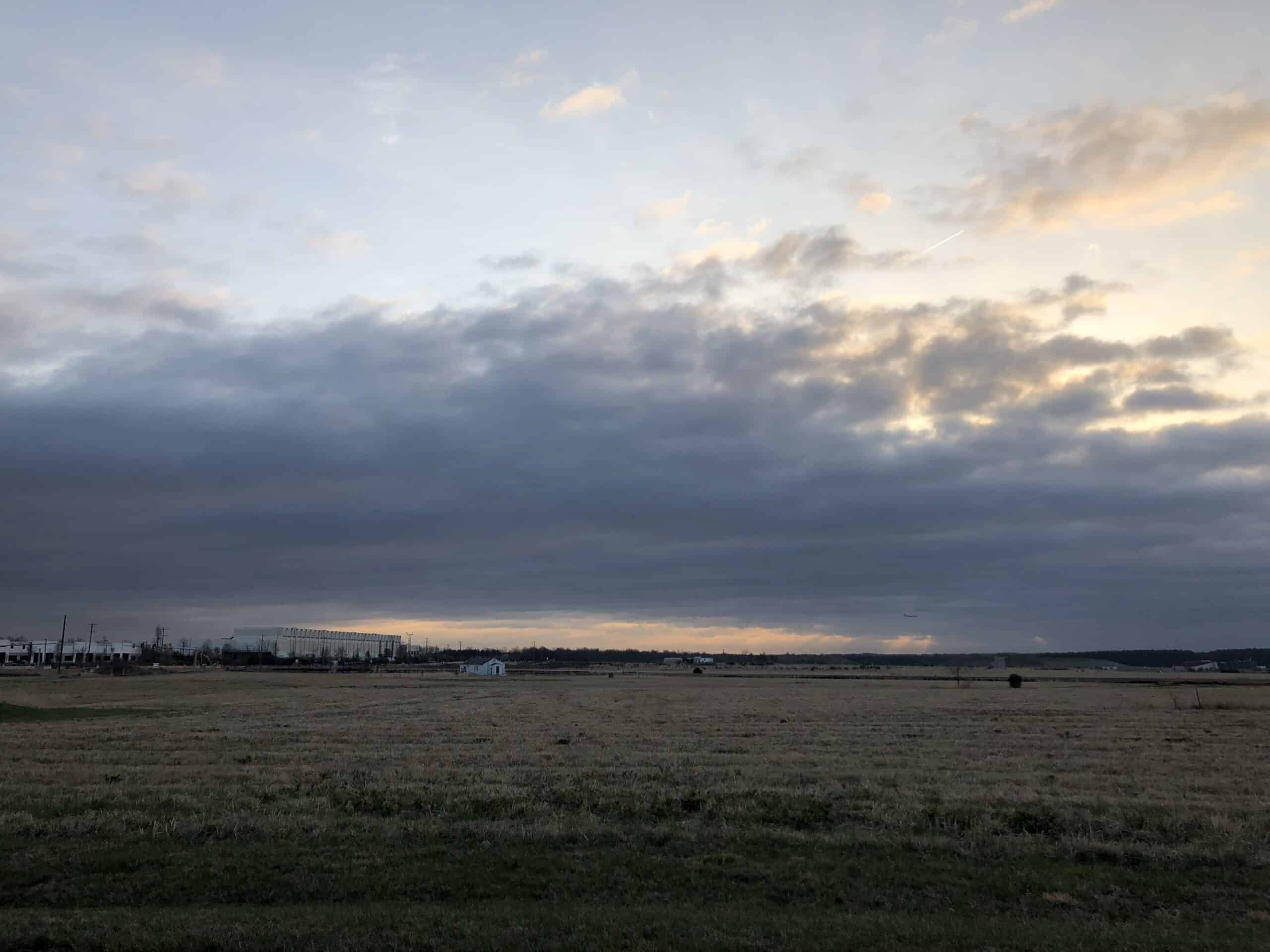
Historically, cloud classification began with the work of Luke Howard in 1803, who introduced the three primary forms: cirrus (curl), cumulus (heap), and stratus (layer).
Since then, the system has evolved, integrating observations from aviation, photography, and satellite imaging, culminating in the current WMO framework.
In recent years, several new cloud types and supplementary features have been officially recognised, reflecting both improved observational technology and a deeper understanding of atmospheric dynamics.
These updates include Asperitas, Cavum (Fallstreak Hole), Cauda, Fluctus, Murus, and Volutus, each of which reflects unique cloud formations that were previously undocumented or poorly classified.
Luke Howard and the Birth of Cloud Taxonomy
The first true scientific framework for classifying clouds was proposed by Luke Howard, a British chemist and amateur meteorologist, in 1803. In his paper Essay on the Modification of Clouds, Howard introduced a nomenclature based on Latin terms, mirroring the taxonomic structure of Linnaean biology.
He identified three principal cloud forms, with an additional mixed type:
Howard’s system was revolutionary for several reasons.
First, it provided universal terminology, which allowed scientists across Europe to discuss weather phenomena in consistent terms.
Second, it recognised that clouds were not static shapes but modifications, dynamic states that transformed from one form to another through atmospheric processes.
His approach appealed to both scientific and artistic communities. The Romantic poet Johann Wolfgang von Goethe was inspired by Howard’s classification, even dedicating a series of poems to him.
The connection between art and meteorology at this time illustrates how the language of clouds bridged observation, emotion, and science.
Expansion and Refinement in the Nineteenth Century
Howard’s fourfold system proved enduring but soon required elaboration as observational techniques improved.
The growing use of barometers, thermometers, and hygrometers allowed meteorologists to relate cloud appearance to measurable atmospheric conditions.
In 1835, Émilien Renou, a French meteorologist, expanded Howard’s system to include transitional and hybrid forms, such as cirrostratus and cirrocumulus, recognising that cloud layers could overlap at different altitudes.
Around the same time, Ralph Abercromby and Hugo Hildebrandsson undertook a global survey of clouds, comparing observations from multiple latitudes and climates.
Their work culminated in 1896 with the publication of the first International Cloud Atlas, produced under the auspices of the International Meteorological Committee, the forerunner of the WMO.
This landmark document established the ten principal cloud genera still recognised today:
- Cirrus
- Cirrostratus
- Cirrocumulus
- Altostratus
- Altocumulus
- Nimbostratus
- Stratocumulus
- Stratus
- Cumulus
- Cumulonimbus
Each genus was associated with a particular altitude range, physical composition, and weather pattern. For the first time, cloud classification was standardised globally, providing meteorologists with a shared language.
The International Cloud Atlas and the Formal WMO System
The International Cloud Atlas (1896) marked the formal beginning of the modern system, but subsequent editions reflected evolving understanding and technology.
By the early twentieth century, meteorology had become an institutionalised science, supported by weather bureaus, international congresses, and the growth of aviation.
Early Twentieth-Century Developments
The 1911 revision of the Atlas introduced the concept of species and varieties, providing a more nuanced description of clouds within each genus.
This refinement recognised the diversity of cloud forms and their meteorological significance. For example, cumulus clouds could be classified as humilis (fair-weather), mediocris (moderately developed), or congestus (towering).
The interwar period brought a rapid increase in aviation meteorology. Pilots required precise knowledge of cloud height, thickness, and turbulence.
This led to improved methods for measuring cloud base and ceiling, as well as an increased focus on clouds’ vertical structure.
The 1956 WMO Edition
After the Second World War, the newly formed World Meteorological Organization (WMO) assumed responsibility for maintaining and updating the International Cloud Atlas.
The 1956 edition formalised the ten genera and defined species, varieties, and supplementary features with photographic examples.
This edition also emphasised meteorological context; linking clouds to air mass boundaries, convective processes, and frontal systems.
It represented the culmination of a century of observation and analysis, providing a framework still used today.
Satellite Observation and the Modern Era
The launch of meteorological satellites in the 1960s transformed cloud observation. For the first time, scientists could view entire weather systems from space, revealing patterns invisible from the ground.
Satellite imagery confirmed the global consistency of the WMO classification but also revealed new complexities.
For example, cirrus clouds were found to form vast, interconnected layers associated with jet streams and tropical convection. Low clouds over oceans displayed repeating cellular patterns, driven by boundary-layer convection.
As computational meteorology advanced, cloud classification became not only a visual art but also a quantitative science.
Radiometers, lidars, and high-resolution cameras enabled researchers to identify microphysical properties such as droplet size distribution, phase composition, and optical thickness.
These measurements informed climate models, revealing that different cloud types exert distinct effects on Earth’s radiation budget.
The 2017 WMO Revision and the Recognition of New Cloud Forms
The most significant modern revision to the International Cloud Atlas was released by the WMO in 2017, the first comprehensive update in more than half a century.
This revision was motivated by both technological advancement and citizen science contributions.
Digital photography and widespread internet access allowed observers around the world to share images of unusual cloud formations.
Many of these formations, although frequently observed, had never been formally defined within the WMO framework.
After a decade of documentation and review, several new categories and supplementary features were officially recognised.
Newly Recognised Cloud Types and Features
- Asperitas
- Previously referred to as undulatus asperatus, this dramatic formation features a turbulent, wave-like underside resembling a rough sea viewed from below.
- It is typically associated with altostratus or stratocumulus layers disturbed by gravity waves.
- The inclusion of Asperitas acknowledged the role of citizen observations and photographic evidence compiled by the Cloud Appreciation Society.
- Cavum
- Also known as a fallstreak hole, Cavum appears as a circular or elliptical gap within altocumulus or cirrocumulus layers.
- These holes form when supercooled droplets suddenly freeze, causing ice crystals to fall and leaving a visible void.
- Its recognition formalised a phenomenon long noted by aviators but previously classified only informally.
- Cauda
- A tail-like appendage extending from the wall cloud (Murus) of a cumulonimbus formation.
- Indicates the inflow of humid air into a thunderstorm system and often precedes severe weather.
- Fluctus
- Small-scale, wave-shaped clouds formed by Kelvin-Helmholtz instability, where two air layers of differing velocity interact.
- Seen in cirrus, altocumulus, and stratocumulus clouds. The inclusion of Fluctus represents the growing recognition of micro-scale turbulence within cloud morphology.
- Murus
- A wall-like structure beneath a cumulonimbus base, often signalling powerful updrafts.
- Its formalisation assists in identifying mesocyclone formation and potential tornado development.
- Volutus
- A roll cloud that appears as a horizontal tube detached from other clouds, usually associated with gust fronts or cold outflows.
- Recognition of Volutus acknowledges distinctive, self-contained convective structures first widely documented by aircraft observers and photographers.
These additions reflect the WMO’s effort to bridge observational tradition with modern meteorology, allowing more accurate communication of atmospheric processes.
Why the Classification Needed to Change
The revisions were not purely aesthetic. They addressed genuine limitations in how clouds were described, measured, and interpreted.
1. Improved Observational Capability
High-resolution satellite imagery and digital photography allowed finer differentiation between cloud structures. What once appeared as a uniform layer could now be seen as a dynamic system with internal waves, cavities, or vortices. The old terminology lacked the precision to describe these subtleties.
2. Integration of Citizen Science
Public engagement through organisations such as the Cloud Appreciation Society provided a vast database of photographic evidence. The WMO recognised that scientific classification benefits from collective observation, especially for rare or localised formations.
3. Atmospheric Dynamics and Climate Science
Modern atmospheric science requires detailed cloud typology to model radiative forcing, moisture transport, and aerosol interactions.
Certain cloud types, like cirrus spissatus or stratocumulus undulatus, exert specific effects on albedo and heat exchange. Updating classifications ensures that observational data align with physical processes in climate models.
4. Educational and Communicative Clarity
The new classifications also improve clarity for education and weather communication. Pilots, climatologists, and enthusiasts can now use a consistent vocabulary that reflects the actual diversity of cloud phenomena.
Beyond Classification: Clouds as Dynamic Systems
Modern meteorology increasingly views clouds not as static objects but as dynamic, evolving systems influenced by thermodynamics, fluid dynamics, and aerosol chemistry. This understanding challenges the very notion of fixed categories.
For instance, cumulonimbus incus (anvil-topped thunderclouds) may contain within them multiple micro-environments such as turbulent inflows, ice crystal anvils, and mammatus formations that cross the boundaries of older classification systems.
Recognising supplementary features such as Murus and Cauda allows scientists to describe these complex structures with greater fidelity.
Likewise, the study of wave clouds, including Fluctus and Asperitas, has deepened understanding of atmospheric gravity waves and shear instability, phenomena that play a major role in turbulence forecasting and energy transport within the troposphere.
The Continuing Role of the International Cloud Atlas
The WMO’s digital edition of the International Cloud Atlas now serves as both an educational tool and a research reference. Available online, it includes thousands of high-resolution photographs, satellite images, and explanatory diagrams.
This accessibility reflects a shift from static printed volumes to a living document, capable of integrating new discoveries and imagery.
The Atlas also incorporates climate research data, enabling links between traditional observation and satellite-based remote sensing.
Through this integration, meteorologists can connect the visual taxonomy of clouds with measurable physical parameters such as optical depth, particle phase, and vertical motion.
The Future of Cloud Classification
As atmospheric science advances, further refinements are expected. Machine learning techniques are already being developed to automatically classify clouds from satellite imagery.
These systems rely on neural networks trained on thousands of labelled photographs drawn from the WMO Atlas. Such automation allows for rapid global assessment of cloud cover and type, essential for improving climate models and precipitation forecasts.
Yet, even with sophisticated algorithms, the essence of cloud classification remains grounded in human observation.
The eye’s ability to detect subtle variations in light, texture, and form continues to surpass automated methods in recognising rare or transitional types.
Future editions of the International Cloud Atlas may include dynamic classifications, reflecting temporal change, describing how a cumulus mediocris evolves into a cumulonimbus congestus, for example, rather than treating each stage as a discrete entity.
The Continuing Evolution of Cloud Science
The evolution of cloud classification mirrors the broader history of meteorology itself: a progression from artistic curiosity to precise scientific discipline.
From Luke Howard’s poetic Latin names to the WMO’s digital Atlas, the system has expanded to accommodate new discoveries, technologies, and perspectives.
The inclusion of new cloud types such as Asperitas, Cavum, Cauda, Fluctus, Murus, and Volutus demonstrates not only improved observation but also a willingness to adapt science to reality rather than forcing reality into rigid categories.
Each addition refines our ability to describe and interpret the atmosphere’s complexity, linking visible phenomena to the invisible forces of thermodynamics and fluid motion.