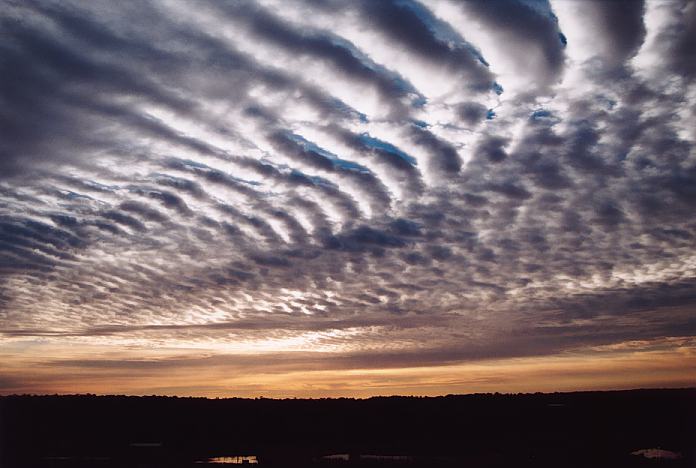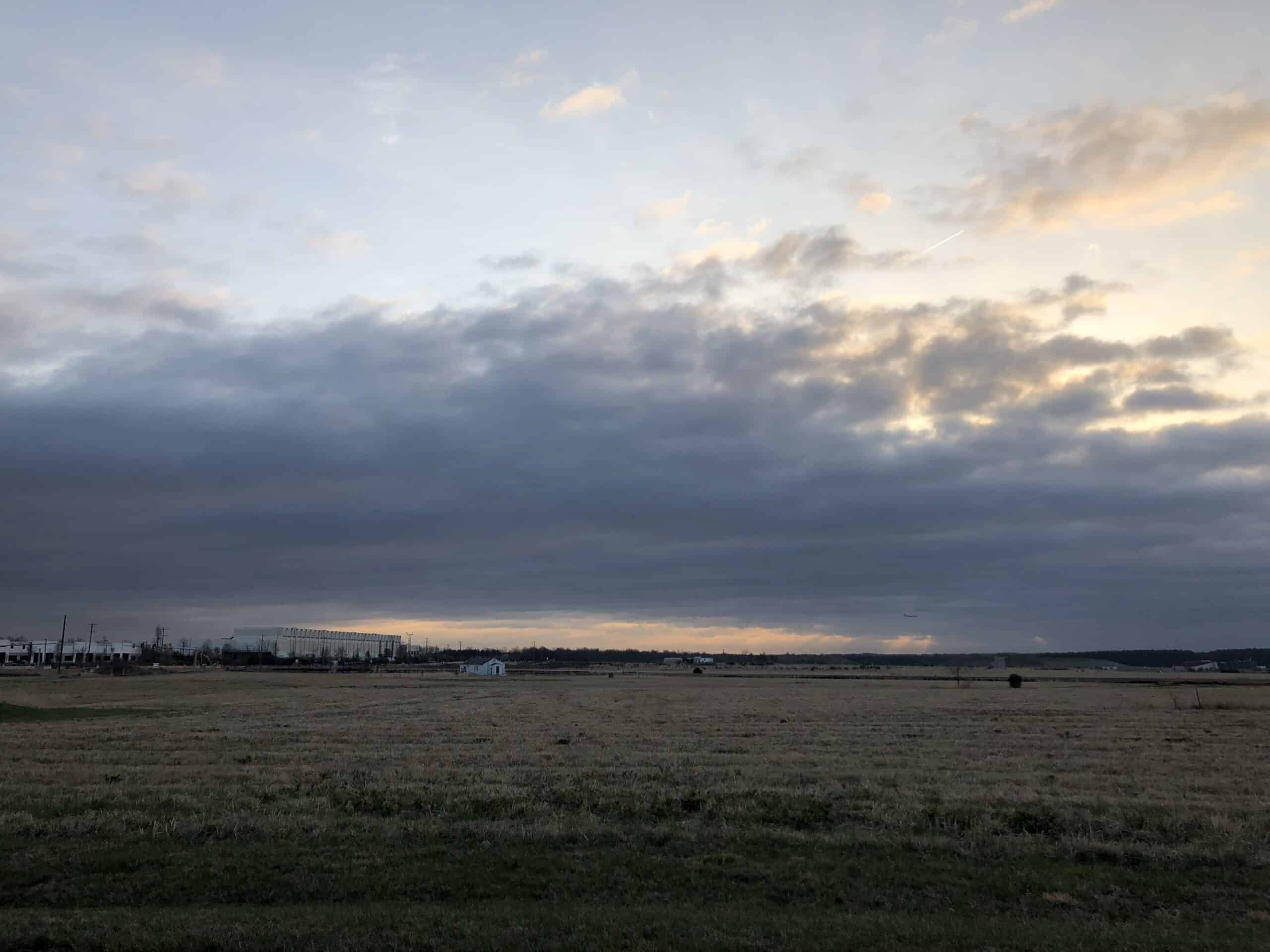

Stratus clouds are the low, gray layers that often blanket the sky like a dull sheet. They sit close to the ground and usually make the sky look overcast.
- Height: Ground level to ~6,500 ft
- Look: Flat, featureless layers
- Name meaning: Stratus = spread out
- Rain: Light drizzle or mist at times
What do stratus clouds look like?
Stratus clouds cover the whole sky in a uniform gray layer, sometimes making it hard to tell where the horizon ends and the clouds begin.
Stratus can make the day feel gloomy and dim, and sometimes they even touch the ground. When that happens, we call it fog.

How do they form?
Stratus clouds usually form when moist air near the ground is gently lifted or cooled, often by light winds or a temperature inversion. They’re especially common in coastal areas or valleys in the morning.
What weather do they bring?
Stratus clouds don’t usually produce heavy rain, but they can bring drizzle, mist, or light snow. They’re more about dull skies than big storms.
A history of Stratus clouds
The standard name is stratus (St). Varieties include stratus nebulosus, stratus fractus, etc.
The term “stratus” comes from Latin meaning “spread out” or “layer.” Howard’s scheme adopted it, and later cloud atlases refined it.