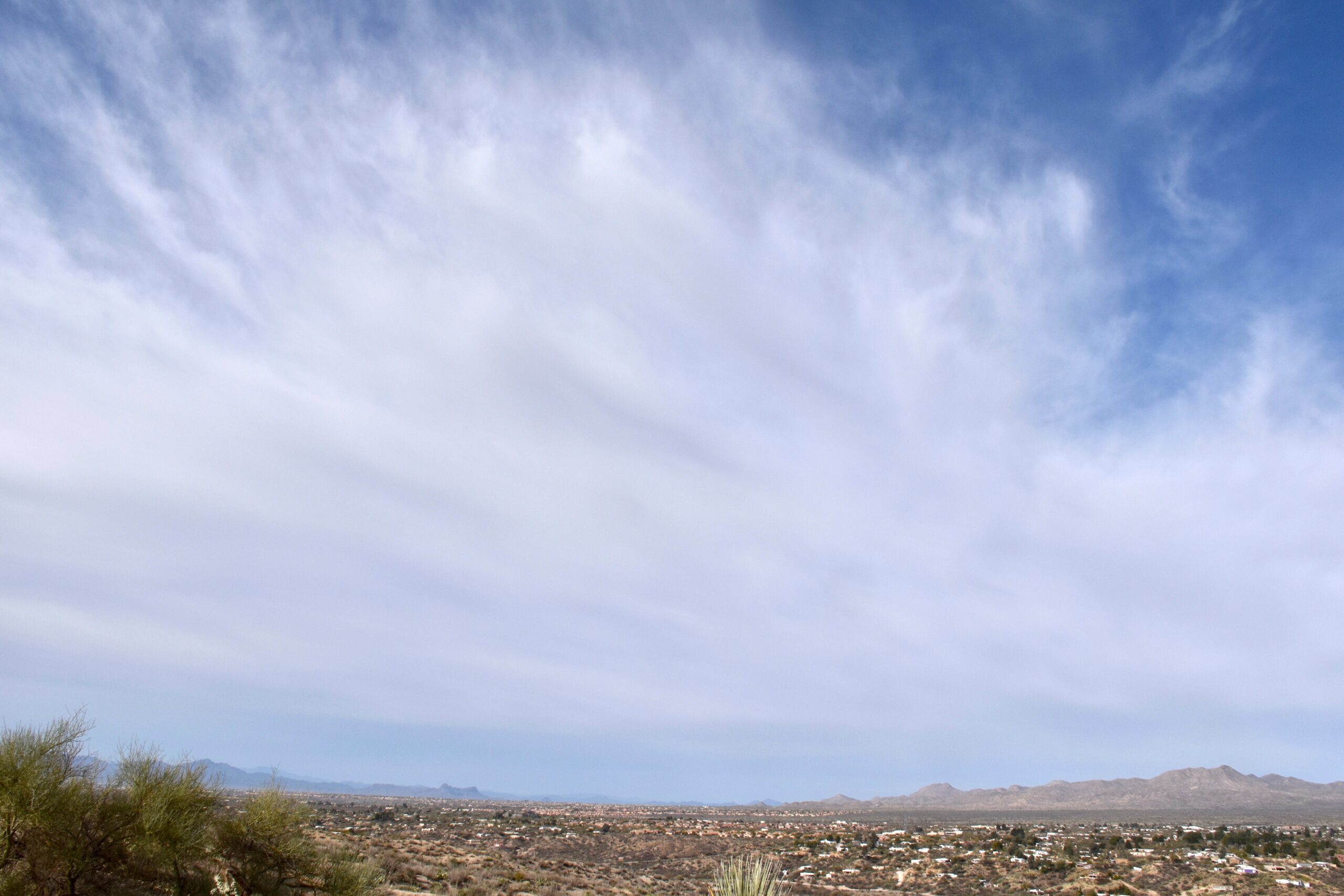

Altostratus clouds are mid-level, uniform, grey or bluish sheets that often cover the sky and may dim the sun without completely blocking it. They may produce light precipitation (drizzle or snow) or evolve into nimbostratus.
- Height: 6,500–20,000 ft
- Look: Layered, flat, and often dull gray
- Name meaning: Altum = height, Stratus = spread out
- Rain: None directly
What do Altostratus clouds look like?
Altostratus cover huge areas of the sky, sometimes from horizon to horizon. They’re usually pretty plain, but in places they can be thin enough to let the Sun shine through weakly, almost like looking through frosted glass.
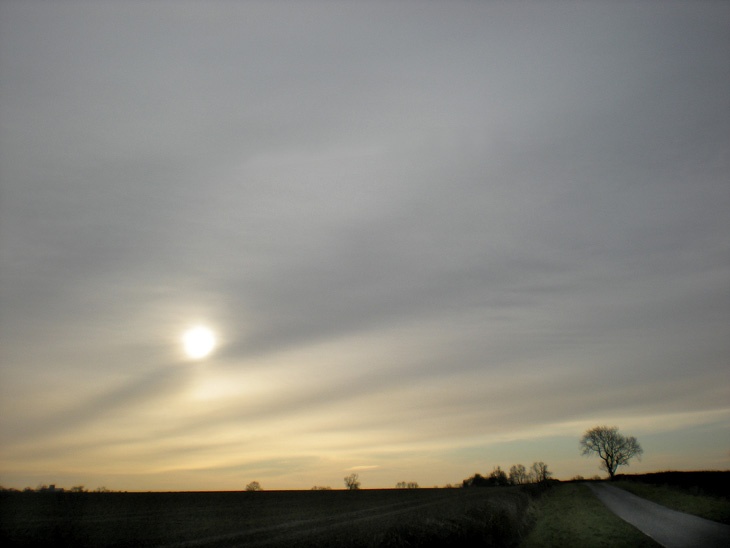
Unlike cirrostratus, the Sun usually can’t cast shadows through altostratus. Sometimes, though, they produce subtle optical effects like halos, coronas, or iridescent colors.
How do they form?
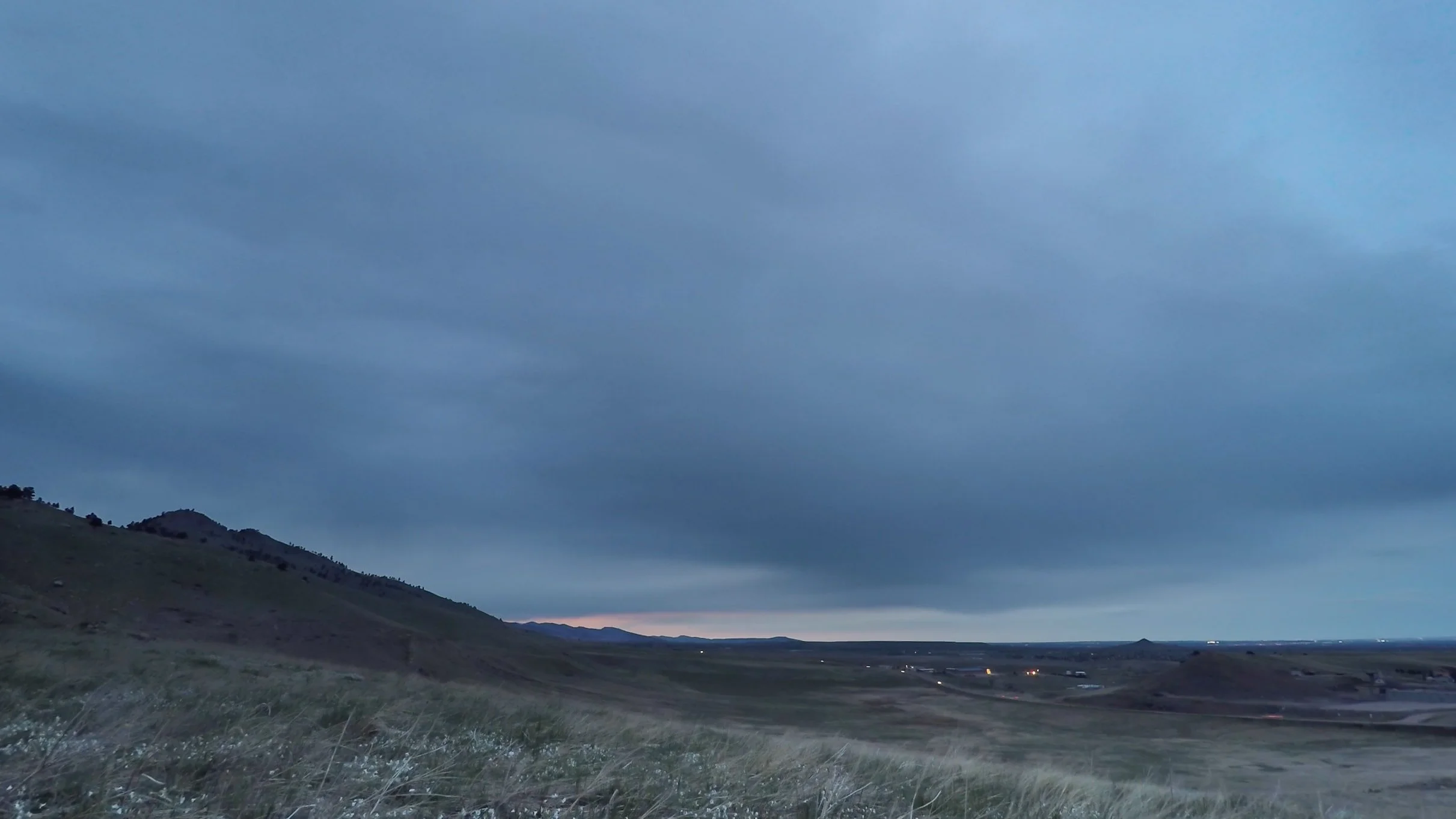
Altostratus often form when a sheet of cirrostratus lowers to a mid-level altitude. They’re made of both water droplets and ice crystals, which gives them their flat, diffuse look.
These clouds are especially common ahead of approaching warm or occluded fronts, where rising, moist air spreads out into a thickening layer.
What kind of weather do they signal?
On their own, altostratus don’t bring rain or snow—but they’re a good warning sign. As the front gets closer, altostratus usually thicken and transform into nimbostratus, which do produce steady precipitation.
So, spotting altostratus often means a change in weather is coming soon.
Types of Altostratus clouds
Altostratus aren’t split into species the way some other clouds are, since they’re so featureless. But they do have a few varieties:
- Translucidus – Thin enough to see the Sun through.
- Opacus – Thick and dark, blocking the Sun completely.
- Undulatus, radiatus, duplicatus – Variations with faint ripples, parallel bands, or overlapping layers.
The history of Altostratus clouds
The name altostratus was introduced during the late 19th century as part of efforts to refine and expand the original cloud-classification scheme.
In particular, the 1896 International Cloud Atlas adopted the prefix alto- to designate mid-level clouds, and altostratus became the standard Latin name for layered mid-level sheets.