
Depictions of Clouds Across History
Clouds have long captivated the human imagination, not only as meteorological phenomena but as symbols, compositional elements, and expressive devices in art.
Their forms, constantly shifting and ephemeral, have inspired painters, illustrators, and photographers to capture both their visual beauty and their symbolic meanings.
From early religious art to Romantic landscape painting, from Impressionist studies of light to contemporary digital imagery, clouds have held a dual role: as a subject in their own right and as a tool to enhance mood, depth, and atmosphere.
The depiction of clouds in art intersects with science, culture, and technique. Artists have often relied on careful observation, sometimes informed by early meteorological classification, to represent clouds accurately or evocatively.
Clouds in Ancient and Medieval Art
Ancient Civilisations
Clouds appear in ancient art primarily in symbolic or narrative contexts rather than as naturalistic elements.
In Egyptian wall paintings, clouds are often represented as bands or curvilinear motifs in scenes depicting the sky or divine presence.
They are abstracted and decorative, serving as visual metaphors for the heavens rather than accurate depictions of atmospheric phenomena.
In Greco-Roman art, clouds began to acquire more naturalistic forms. In Roman frescoes from Pompeii, clouds are occasionally depicted as wisps in sky backgrounds, framing figures of gods or mythological scenes.
Artists at this stage were interested in creating spatial depth and movement, using cloud forms to enhance dramatic composition.
Medieval Europe
During the medieval period, clouds were largely stylised. Illuminated manuscripts from the 12th to 15th centuries frequently show golden or coloured clouds as divine or supernatural markers, especially in scenes depicting angels or celestial visions.
Naturalistic observation was secondary to symbolism; clouds indicated heavenly presence, divine authority, or mystery.
Notable examples include the Bayeux Tapestry (c. 1070s), where the sky is simplified but clouds appear in subtle arcs to frame events, and various Book of Hours illuminations where clouds float in gold-leafed skies, suggesting a heavenly realm.
The Renaissance: Observation and Realism
The Renaissance marked a pivotal shift in cloud depiction. Artists increasingly sought naturalism and atmospheric accuracy, influenced by the broader scientific and observational advances of the period.
Clouds became integral to landscape and sky studies, reflecting a growing interest in how light, shadow, and perspective operated in nature.
Leonardo da Vinci (1452–1519)

Leonardo da Vinci was among the first European artists to systematically observe clouds.
In his Codex Atlanticus, he sketched numerous cloud types, noting their movement, density, and formation.
Leonardo distinguished “curly” clouds resembling cirrus, flat layered clouds like stratus, and heaped formations akin to cumulus, demonstrating a proto-meteorological understanding.
His studies were intended both for scientific inquiry and for enhancing the realism of landscape backgrounds in paintings such as The Virgin of the Rocks.
Albrecht Dürer (1471–1528)

Dürer’s landscape engravings and watercolours often feature carefully observed cloud formations.
In works like The Great Piece of Turf (1503), clouds are used to convey atmospheric depth and illumination, framing terrestrial details and enhancing three-dimensionality.
Dürer’s clouds exhibit soft gradations and textural nuances, reflecting direct observation rather than symbolic abstraction.
Italian Landscape Painting
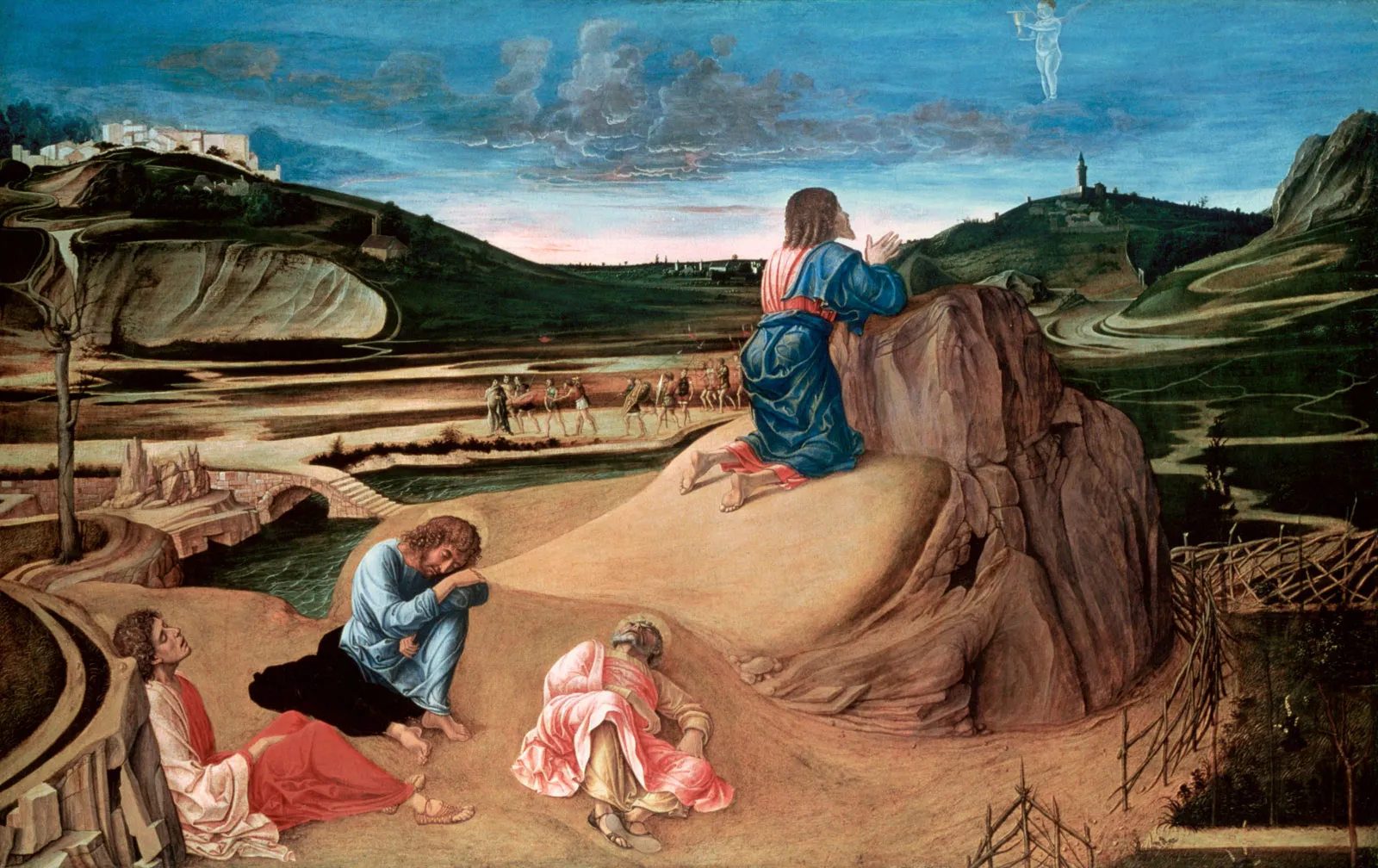
Artists such as Giovanni Bellini and Titian incorporated atmospheric perspective and cloud studies into their compositions.
In Titian’s Assumption of the Virgin (1516–1518), clouds are used to support the upward movement of figures, conveying motion, divine elevation, and spatial continuity.
This period marks the integration of cloud observation into narrative and composition, establishing clouds as a compositional device rather than mere backdrop.
The Baroque and 17th Century: Drama and Illumination
The Baroque period emphasised dynamic skies and dramatic lighting, with clouds playing a central role in conveying motion, tension, and theatricality.
Peter Paul Rubens (1577–1640)

Rubens frequently employed swirling, voluminous clouds to heighten the emotional intensity of mythological and religious scenes.
In The Elevation of the Cross (1610–1611), clouds are depicted with dark shadows and luminous highlights, suggesting turbulent atmospheric conditions and underscoring the narrative drama.
Dutch Golden Age: Jacob van Ruisdael (1628–1682)

In the Netherlands, landscape painting flourished with an emphasis on naturalistic skies.
Ruisdael is particularly renowned for his meticulous depiction of clouds in works such as View of Haarlem with Bleaching Fields (c. 1670).
He captured low stratocumulus layers and cumulus formations with attention to light, weather changes, and their interaction with the land.
His work illustrates an early recognition of clouds as dynamic, meteorologically informative elements in the landscape.
Claude Lorrain (1600–1682)
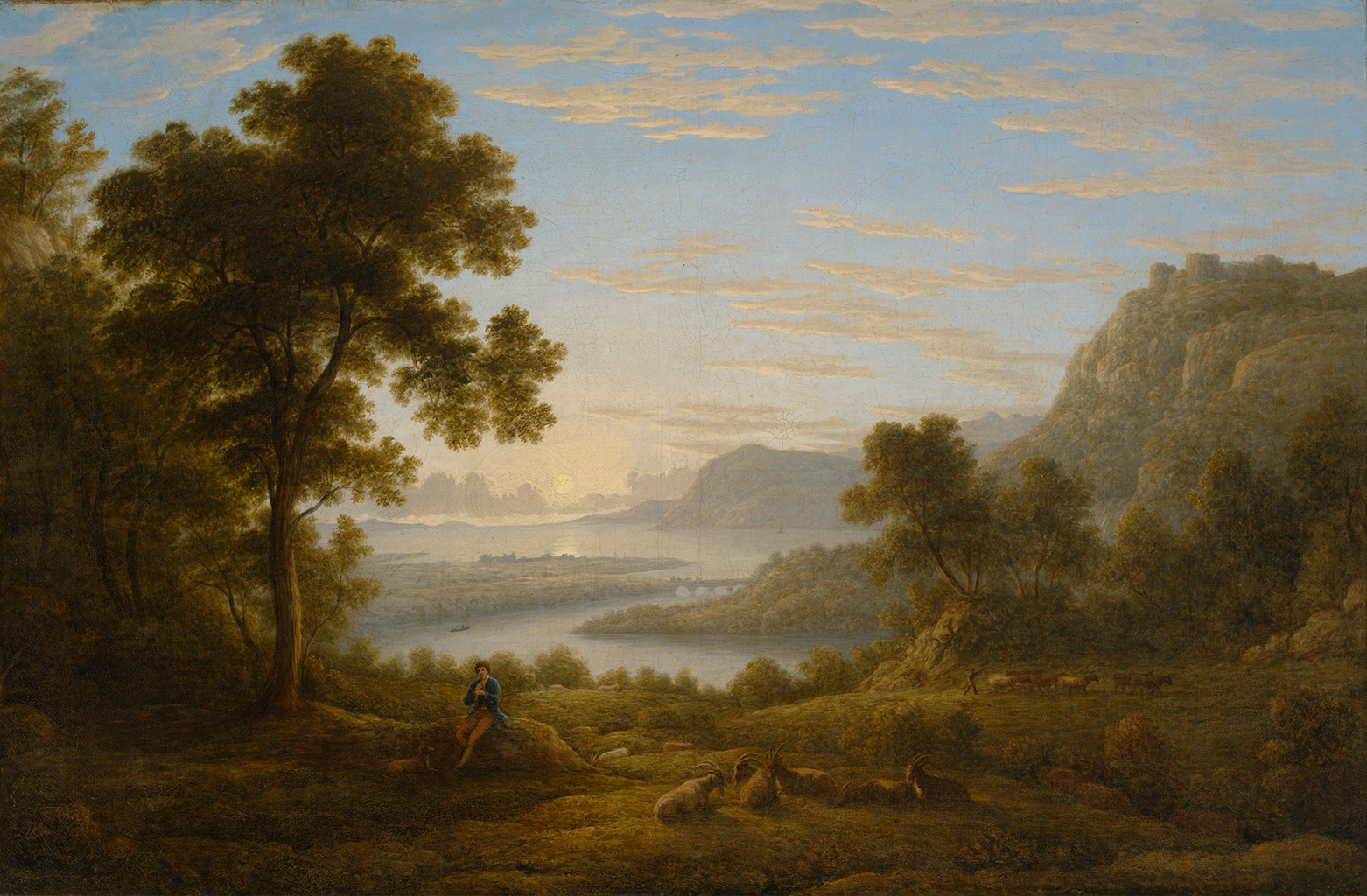
French painter Claude Lorrain integrated soft, radiant clouds into pastoral landscapes, using light passing through cloud layers to create atmospheric perspective and luminous depth.
Lorrain’s skies influenced subsequent landscape painting, demonstrating how cloud depiction could unify composition, light, and mood.
The 18th and 19th Centuries: Scientific Observation Meets Romanticism
The 18th and 19th centuries saw clouds become a subject of both scientific and aesthetic interest, reflecting advances in meteorology alongside Romantic ideals of the sublime.
Luke Howard’s Influence
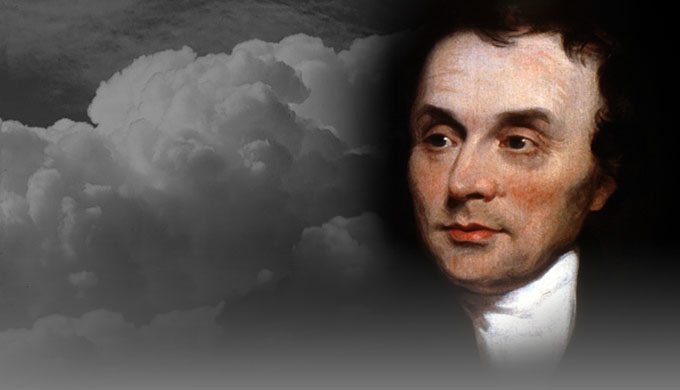
Luke Howard’s 1803 essay, On the Modification of Clouds, introduced a systematic classification of clouds into cirrus, cumulus, stratus, and nimbus.
Artists such as John Constable studied Howard’s categories, integrating accurate cloud forms into paintings. Constable meticulously observed cumulus formations and their changing light in sketches and oil paintings, including Study of Clouds (c. 1822–1823).
These works demonstrate a fusion of empirical observation and artistic expression.
Romanticism: Caspar David Friedrich (1774–1840)
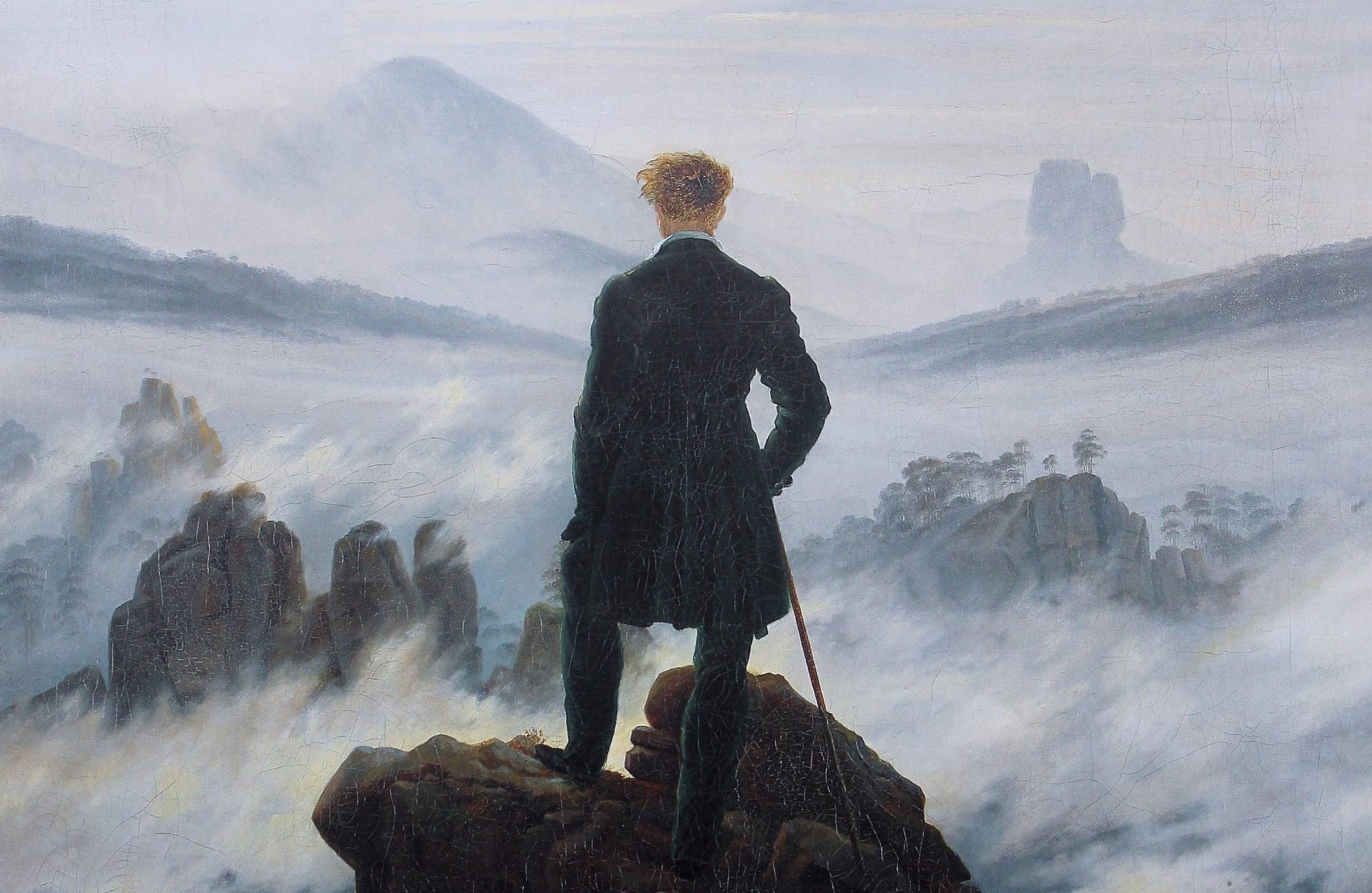
In German Romantic landscapes, clouds often convey emotion, scale, and the sublime.
Friedrich’s paintings, such as Wanderer above the Sea of Fog (c. 1818), use dense cloud layers and fog to create mystery and elevation, blending natural observation with symbolic resonance.
Clouds here are not only visual elements but carriers of philosophical and spiritual meaning.
J.M.W. Turner (1775–1851)
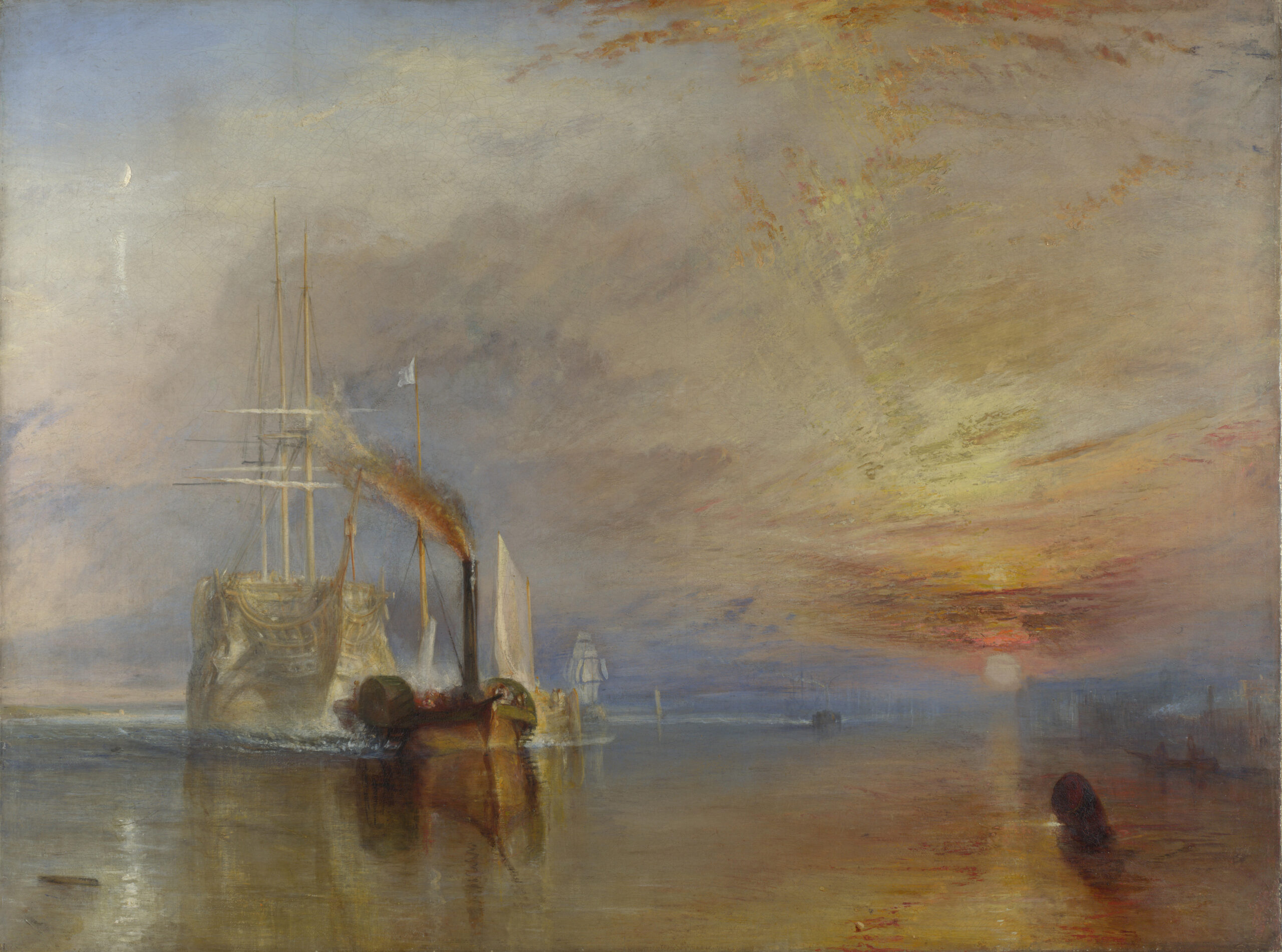
Turner’s work represents the culmination of expressive cloud painting in the Romantic period. In paintings like Snow Storm: Steam-Boat off a Harbour’s Mouth (1842), clouds are rendered with turbulent, almost abstract swirls, capturing wind, moisture, and light interaction.
Turner’s attention to atmospheric effects reflects both aesthetic innovation and awareness of meteorological phenomena.
Impressionism and the Study of Light
By the late 19th century, Impressionist artists prioritised transient light effects, capturing the interplay of clouds, sky, and landscape.
Claude Monet (1840–1926)
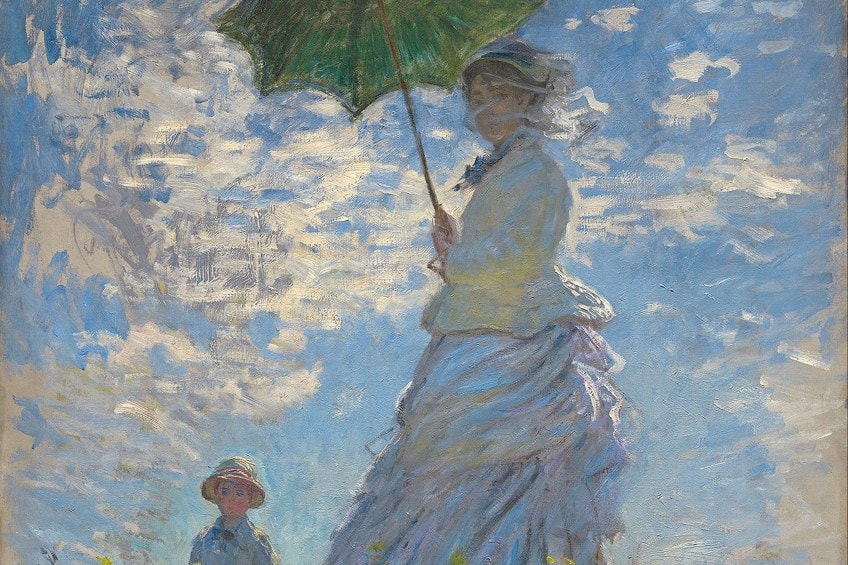
Monet frequently painted series focused on skies, as seen in Rouen Cathedral series and The Houses of Parliament, London series. C
louds are depicted in changing light and seasonal conditions, emphasizing colour, reflection, and temporal variation.
His approach mirrors scientific interest in the temporal variability of cloud forms and the atmosphere’s impact on visual perception.
John Constable (1776–1837)
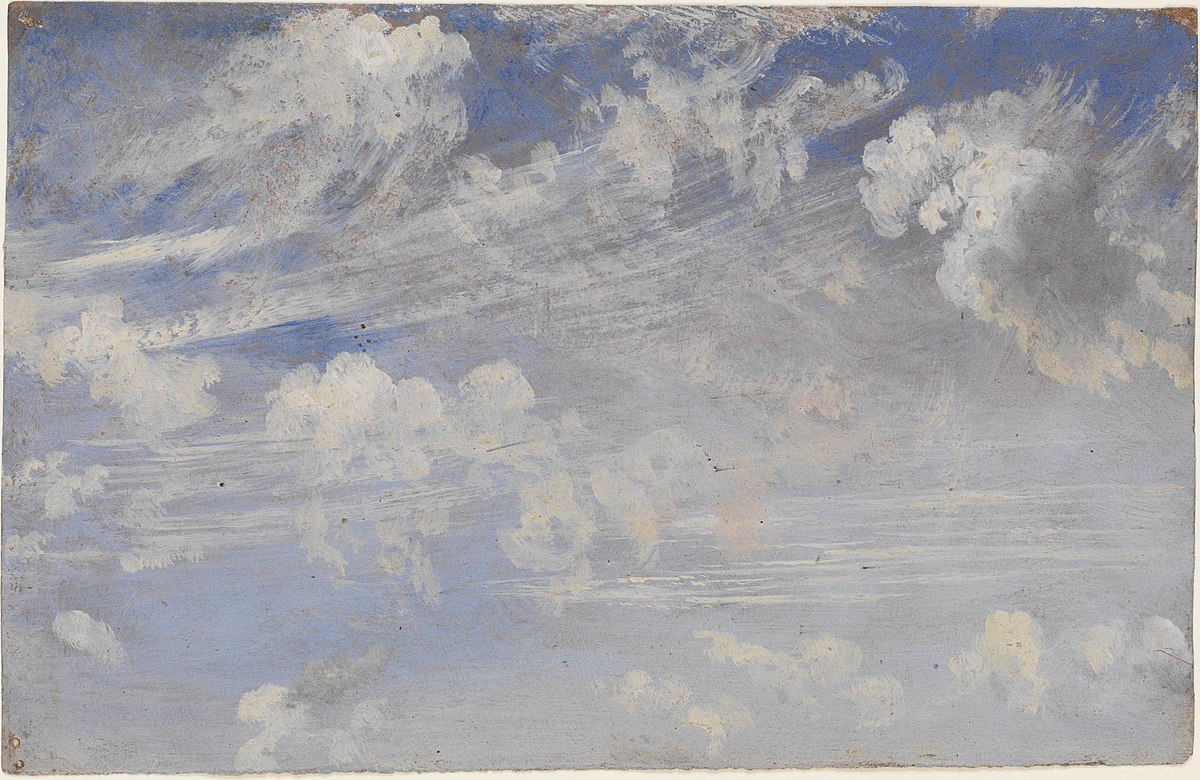
While active earlier, Constable’s cloud sketches influenced later naturalistic studies.
His dedication to continuous observation and recording sky conditions laid groundwork for field-based cloud studies among artists.
Post Impressionism
Vincent van Gogh (1853–1890)

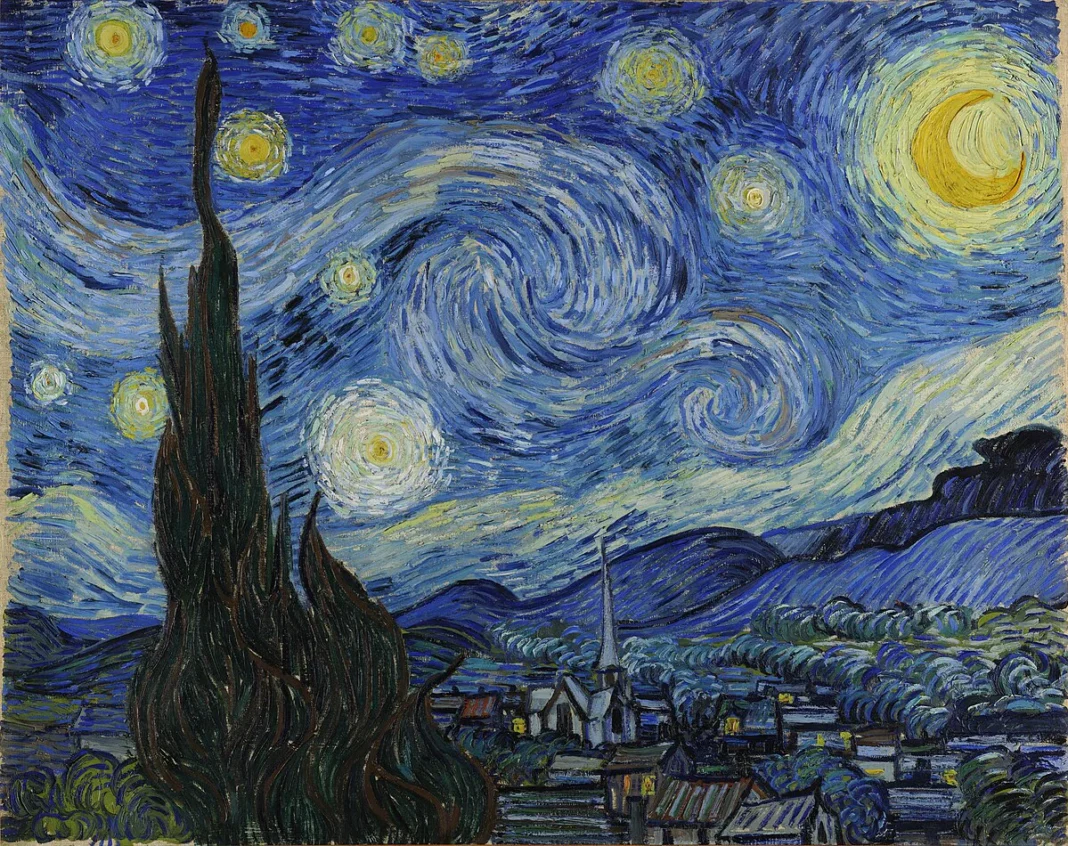
Vincent van Gogh frequently incorporated clouds into his landscapes, using dynamic brushwork and vivid colour to convey movement and emotion.
In paintings such as Wheatfield with Crows (1890) and Landscape with Rising Sun (1887), clouds are depicted with swirling, rhythmic patterns that interact with wind, light, and terrain.
Van Gogh’s clouds are less concerned with strict meteorological accuracy than with expressive intensity, reflecting the emotional atmosphere of the scene.
Their forms contribute to the overall mood and psychological impact of his compositions, demonstrating how clouds can serve as both visual and emotional instruments in painting.
Clouds in Tibetan and Buddhist Art
In Tibetan art, clouds frequently appear in religious paintings, thangkas, and murals, often positioned behind mountains, deities, or sacred landscapes.
Unlike Western naturalistic depictions, these clouds are highly stylised, serving symbolic as well as aesthetic purposes.
They are usually depicted as swirling, layered bands, sometimes with curling edges or repeated motifs, and are often painted in white, blue, or gold, contrasting with vibrant mountain forms or celestial figures.

These cloud forms are not intended as meteorological studies but as markers of spiritual space and transcendence.
In many thangkas, clouds indicate sacred or elevated realms, suggesting that the depicted mountain or deity exists in a plane between the earthly and divine.
For example, clouds behind Mount Meru, the mythical axis mundi in Buddhist cosmology, create visual separation and hierarchy, emphasising the mountain’s centrality and sanctity.
Tibetan clouds also carry symbolic associations: they can represent impermanence, the ephemeral nature of existence, and the movement of spiritual energy.
Their repetitive, decorative patterns integrate seamlessly with other symbolic elements, such as sun and moon motifs, lotus flowers, and mandalas, reinforcing the cosmological framework of the artwork.
From a compositional perspective, these clouds provide depth and flow, guiding the viewer’s eye across vertical and horizontal planes.
The swirling forms often mimic natural atmospheric movement, showing an intuitive understanding of cloud dynamics, even when stylised, and linking Tibetan visual culture with the natural world in a symbolic and spiritual sense.
Clouds as Symbol and Subject
Throughout history, clouds have served multiple roles in art:
- Atmospheric realism: enhancing depth, scale, and light.
- Emotional tone: expressing drama, calm, mystery, or the sublime.
- Symbolic function: representing divinity, change, or transience.
- Scientific observation: supporting meteorological understanding, as in Constable and Turner.
By combining aesthetic, symbolic, and observational purposes, artists across eras have recognised clouds as both objects of beauty and carriers of meaning.
From abstract gold-leaf motifs in medieval manuscripts to Turner’s expressive storms, Monet’s transient light, and Stieglitz’s photographic abstractions, clouds have remained central to artistic practice. They embody motion, impermanence, and atmospheric complexity, serving as a bridge between observation and imagination.
The depiction of clouds reflects both scientific curiosity and cultural context. Advances in meteorology, beginning with Luke Howard, informed accurate representation, while Romantic and Impressionist painters explored expressive and emotional potential.
Modern photography and digital media continue to expand possibilities, demonstrating that clouds remain an enduring source of inspiration and study.